

Social Anxiety Disorder Treatment for Teens in Texas
Watching your teenager struggle socially can be heartbreaking. However, social anxiety disorder is a treatable condition, and help is available. If your teen is struggling with symptoms of social anxiety disorder, such as shyness or panic attacks, read on to explore treatment options near Dallas, Texas, and learn how to help your child manage this common mental health condition.
BasePoint Academy’s accredited outpatient treatment centers are leading providers of comprehensive care for a range of adolescent mental health issues, including anxiety disorders. Call us today to schedule a confidential mental health assessment with our licensed professionals so we can recommend the most suitable treatment options for your teen.
What Is Social Anxiety Disorder in Teens?
For teens with social anxiety disorder, fear of judgment or embarrassment in social situations can become overwhelming, leading to psychological and emotional distress. This interpersonal anxiety can interfere with their daily life, making it difficult to engage in school, activities, or friendships.
Adolescents with social anxiety disorder often experience intense self-consciousness and social phobia. They may exhibit avoidance behaviors, such as refraining from speaking in class, joining group activities, or attending social events. This avoidance can lead to isolation, lower self-esteem, and academic struggles. Early intervention, including therapy, helps your teen build coping skills, manage their symptoms, and regain confidence in social settings.
Insurance Coverage for Teen Social Anxiety
A confidential assessment with a licensed clinician at BasePoint Academy allows us to provide you with a recommendation for the appropriate level of care for your teen struggling with social anxiety disorder. We can also check your insurance coverage.
Call (972) 357-1749 or complete our inquiry form today to schedule a same-day assessment.









Teen Social Anxiety
Treatment Admissions
How to Help a Teen with Social Anxiety Disorder
Helping a teen with social anxiety disorder involves providing support and understanding while encouraging them to seek professional treatment. Open communication is key; allow your teen to express their feelings and fears. This can significantly improve their mental health and overall well-being during this critical stage of development.
Parenting teenagers with social anxiety disorder requires patience and empathy. Consider involving your child in psychotherapy or support groups for social anxiety disorder. These environments can help them develop coping skills and build confidence, contributing to greater resilience. Encourage gradual exposure to social situations while celebrating small successes to empower your teen and promote healthy coping mechanisms. Finally, seek support from professionals with a profound understanding of adolescent psychology. Call (972) 357-1749 to learn more about BasePoint Academy’s social anxiety disorder treatment approach.
What Are Signs and Symptoms of Teen Social Anxiety Disorder?
Recognizing signs of social anxiety disorder in teens can be challenging. It often looks like shyness or discomfort in social settings, which can be typical for adolescents. However, if your adolescent’s fear of judgment or embarrassment consistently affects their daily life, it may be more than nerves. The following are just a few social anxiety disorder symptoms to watch for.
Blushing
Blushing is a common physical reaction when someone feels nervous, embarrassed, or self-conscious, and it often happens unexpectedly. If your teen is dealing with social anxiety disorder, blushing can become a source of added anxiety, as they may worry others will notice and judge them. While natural, it can feel overwhelming for a teen struggling with social fear.
Fast Heartbeat
A fast heartbeat is a typical physical response when a person feeling anxious or nervous, especially in social situations. In teenagers with social anxiety disorder, their hearts may race in situations like speaking in front of a group or meeting new people. This rapid heartbeat can feel overwhelming, adding to their anxiety and making it harder to focus.
Trembling
Trembling often accompanies anxiety, especially in teens with social anxiety disorder. Their body may shake uncontrollably when they’re faced with stressful social situations, like giving a presentation or talking to new people. This trembling can embarrass them, making them even more anxious and uncomfortable.
Sweating
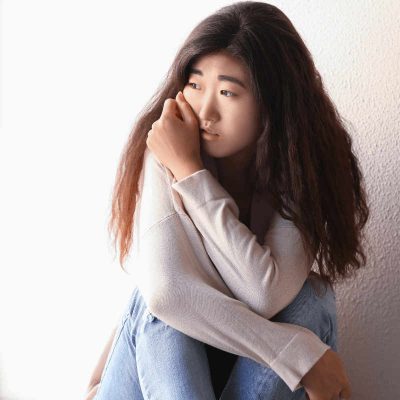
Sweating is a common reaction to anxiety, and for teens with social anxiety disorder, it can be particularly distressing. They may sweat excessively in high-pressure situations, like when attending a party or speaking up in class. This can lead to self-consciousness, creating a cycle of anxiety, as the fear of sweating can make them even more anxious.
Upset Stomach or Nausea
An upset stomach or nausea are common in teens with social anxiety disorder. These symptoms often surface in high-stress situations like presentations or social gatherings. The anticipation of being in these scenarios can also lead to a queasiness, making it hard for them to concentrate or even participate. This physical discomfort can further amplify anxiety and lead to avoidance behaviors.
Trouble Catching Their Breath
Trouble catching their breath can be a frightening experience for a teen facing social anxiety disorder. In moments of intense anxiety, like being in a crowded room or preparing to speak in front of others, they may feel as though they can’t get enough air. This sensation may increase panic and worry, making social interactions doubly challenging.
Dizziness or Lightheadedness
Dizziness or lightheadedness can be particularly troubling for teens experiencing social anxiety disorder. They may feel as if the room is spinning or that they might faint, which only heightens their anxiety. This physical sensation make it difficult for them to focus, potentially leading to avoidance of situations in which they must perform.
Blank Mind
Having a blank mind is common for adolescents dealing with social anxiety, particularly when they’re facing challenges like speaking in front of peers or participating in group activities. Anxiety can take over, making it hard to remember what they want to say or contribute. This mental fog can be frustrating and discouraging, leading to increased self-doubt and avoidance behaviors.
Common Treatment Methods for Social Anxiety Disorder in Texas Youth
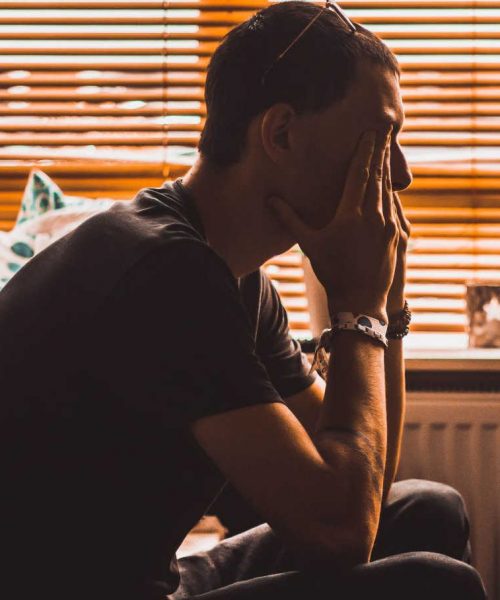
Several effective treatment methods can help your teen manage social anxiety disorder. For maximum efficacy, these therapeutic interventions are tailored to your teen’s needs. While the following examples are common approaches, this isn’t a complete list. It’s essential to work closely with a mental health professional at BasePoint Academy to determine the best treatment plan for your child.
Psychotherapy
In a Partial Hospitalization Program (PHP) or other structured outpatient setting at BasePoint Academy, psychotherapy stands as the most effective way to treat adolescent social anxiety disorder. Within this safe environment, Texas youth work with a trained therapist to explore the underlying fears and behaviors driving their isolation.
Through specialized communication training and group interactions, therapy helps adolescents build the social confidence needed to engage with peers, voice their needs, and actively participate in school and extracurricular activities. The cornerstone of this treatment is Cognitive Behavioral Therapy (CBT), which teaches teens to identify and challenge the automatic negative thoughts that fuel their anxiety. This systematic desensitization reduces their fear response over time, equipping them with immediate coping mechanisms, resilience, and the real-world skills necessary to navigate social situations with minimal distress.
Mindfulness and Relaxation Techniques
Mindfulness and relaxation techniques can be valuable tools for dealing with social anxiety disorder and managing emotions. These practices encourage your adolescent to focus on the present moment, which allows for steady observation of thoughts and feelings without judgment. Techniques like deep breathing reduce anxiety and promote a sense of calm in social situations.
Incorporating mindfulness into your teen’s daily routine can empower them to develop greater emotional awareness and resilience. By learning to recognize and manage their emotions, they can respond to anxiety-provoking situations with increased confidence. Practicing these techniques regularly can improve your teen’s overall well-being and ability to navigate social interactions more comfortably.
Stress Management Techniques
Stress management techniques are essential for dealing with social anxiety disorder, as they help mitigate the effects of stress on your teen’s psychological health. Simple practices like journaling, physical exercise, and engaging in hobbies can be a healthy outlet for emotions and serve as effective coping skills.
Encouraging your teen to find activities that relax and inspire them can make a significant difference in their ability to manage their stress levels. Additionally, teaching your teen time management skills empowers them to tackle stressful situations more confidently. By incorporating these stress management techniques into their daily routine, your teen can develop resilience and better navigate the challenges of social anxiety disorder, leading to improved emotional well-being and social interactions.
Medication
Medication is especially beneficial when therapy alone isn’t enough to alleviate your teen’s symptoms of social anxiety disorder. Doctors commonly prescribe medications for anxiety, such as Selective Serotonin Reuptake Inhibitors (SSRIs), to help balance brain chemicals affecting your teenager’s mood and anxiety levels. These medications can reduce fear and panic, making social situations and therapy easier.
Consult with a qualified healthcare professional at BasePoint to determine if pharmacotherapy for social anxiety disorder is appropriate for your teen. Regular follow-ups allow us to monitor the medication’s effectiveness and potential side effects. When combined with therapy, medication significantly improves your teen’s ability to cope with social anxiety, contributing to their overall emotional well-being.
BasePoint Academy Accepts health Insurance
We accept most major health insurance providers in Texas and can check your treatment coverage levels on your behalf.
Outpatient Treatment Programs in Texas for Adolescents with Social Anxiety Disorder
BasePoint Academy offers social anxiety disorder treatment for adolescents in Texas. Our centers’ comprehensive day treatment, intensive outpatient care, and online support programs are tailored to your adolescent’s needs. Our exceptional staff has clinical expertise and a thorough understanding of adolescent psychology and development. Read on to learn more about our locations.
- Arlington, Texas: 3900 Arlington Highlands Blvd Suite 237, Arlington, TX 76018
- Forney, Texas: 713 W Broad St Suite 200, Forney, TX 75126
- Frisco, Texas: 8275 Judges Way #100i, Frisco, TX 75036
- McKinney, Texas: 4733 Medical Center Dr, McKinney, TX 75069
- North Richland Hills: 8479 Davis Blvd Suite 100, North Richland Hills, TX 76182
Social Anxiety Treatment Program in Arlington, Texas
Arlington is in Tarrant County, about 20 miles west of Dallas and 12 miles east of Fort Worth. As the seventh-most populous city in Texas, Arlington is a lively center for business, education, and entertainment. It’s an ideal setting for treatment for your teen social anxiety disorder.
- BasePoint Academy – Arlington, Texas: 3900 Arlington Highlands Blvd Suite 237, Arlington, TX 76018
Social Anxiety Treatment Program in Forney, Texas
Forney, Texas, in Kaufman County, lies about 20 miles east of Dallas. This growing community boasts various businesses and industries. In Forney’s supportive environment, like BasePoint Academy’s, teens feel valued, making it a suitable setting for treatment of social anxiety disorder.
- BasePoint Academy – Forney, Texas: 713 W Broad St Suite 200, Forney, TX 75126
Social Anxiety Treatment Program in McKinney, Texas
McKinney, Texas, is about 30 miles north of Dallas. This Collin County community is home to various businesses and industries, including Toyota Motor Manufacturing Texas and Liberty Mutual Insurance. McKinney’s focus on community and well-being is conducive to adolescent development and the specialized social anxiety disorder treatment you’ll find at BasePoint Academy.
- BasePoint Academy – McKinney, Texas: 4733 Medical Center Dr, McKinney, TX 75069
Social Anxiety Treatment Program in Frisco, Texas
Frisco, Texas, just north of Dallas, is one of the fastest-growing communities in Collin County. Known for its strong school systems, family-friendly environment, and thriving business sector, Frisco provides a supportive setting for adolescent growth and well-being. This focus on community and development aligns with the specialized social anxiety disorder treatment available at BasePoint Academy.
- BasePoint Academy – Frisco, Texas: 8275 Judges Way #100i, Frisco, Texas, 75036
What Is the BasePoint Difference?

7am to 7pm CST
7 Days a Week

Full Time Physican
On Site

We Transport
To and From

Therapy Involving
the Whole Family

Family
Owned

What Is the Admissions Process for Teen Social Anxiety Disorder Treatment at BasePoint Academy?
The admissions process for teen social anxiety disorder treatment at BasePoint Academy begins with an initial assessment. During this assessment, your teen will discuss their specific needs and concerns with a qualified professional. This helps us determine the most appropriate treatment plan and sets the stage for effective level of care.
After the assessment, we’ll guide you through the necessary paperwork and discuss insurance coverage options or alternative payment solutions, if needed. Our compassionate staff is dedicated to making the admissions process as smooth as possible, ensuring your teen promptly receives the mental health support they need.
Does Private Insurance Cover Social Anxiety Disorder Treatment for Teens in Texas?
Yes, private health insurance often covers social anxiety disorder treatment for teens in Texas. Coverage varies by plan, so review your specific policy details to understand the extent of your benefits for mental health services before enrolling your teen in a program.
Reach out to BasePoint Academy for a confidential, quick insurance benefits verification. This will allow you to review potential out-of-pocket costs and discuss flexible payment plans or other financial solutions if you’re without sufficient insurance benefits. By researching and using available resources, you can ensure your adolescent receives the necessary support for managing social anxiety disorder. Call or complete our simple contact form today.

How Much Does Teen Social Anxiety Disorder Therapy Cost in Dallas, Texas?
The cost of social anxiety disorder therapy for teens in the Dallas, Texas, area varies significantly. Individual therapy sessions range from $150 to $250, while more structured programs like PHPs cost $350 to $850 a week, though insurance can lower these amounts. Other factors affecting mental health treatment costs include the therapies and medications incorporated into the treatment plan.
Review your insurance policy for detailed information on mental health coverage, including session limits and covered services. BasePoint Academy accepts insurance plans from a broad range of providers, including UnitedHealthcare, Cigna, Aetna, and BCBS of Texas. We can clarify your policy details on your behalf, helping you better estimate your out-of-pocket expenses. Understanding your insurance benefits allows you to make informed decisions about your teen’s care.

Contact BasePoint Academy Today
Has your teen exhibited symptoms of social anxiety? Do they have any of the risk factors outlined above? If you’re concerned about your teenager’s mental health, contact BasePoint Academy to discuss a treatment plan today.
Statistics on Social Anxiety Disorder and Treatment for Texas Families
Data from the Journal of Prevention shows that global rates of social anxiety disorder rise significantly as young people grow, affecting an estimated 4.7% of children, 8.3% of adolescents, and 17% of older youth.
Social anxiety disorder is the third-most prevalent mental health disorder, typically emerging during adolescence, with 90% of cases arising before the age of 23, according to the Clinical Child and Family Psychology Review.
According to a recent BMC Public Health study on school completion and progression to higher education in adolescents with social anxiety, social anxiety during adolescence, as indicated by both self-reported symptoms and diagnostic screenings, has a lasting negative effect on the completion of upper secondary school and to some degree, on enrollment in higher education.
Social anxiety disorder, which typically emerges during adolescence, is linked to considerable impairment. Despite the existence of effective treatments, only a small number of affected youths seek and receive the necessary services, according to the Journal of Abnormal Child Psychology.
Approximately 1 in 6 Texas children ages 3 to 17 (17.1%) have been diagnosed by a health care provider with anxiety, depression, or ADHD, or identified by a doctor or educator as having behavior or conduct problems, according to America’s Health Rankings.