

Bipolar Mania and Hypomania Treatment for Teens and Adolescents in Dallas, Texas
Adolescence marks a high-risk period for the onset of mania in teens. Occurrence rates almost double between 13–14 and 17–18. Signs of mania in teens include intense happiness or silliness, irritability, rapid speech, racing thoughts, an inflated sense of ability, and poor judgment. BasePoint Academy effectively addresses teens’ mental health issues, including bipolar disorder mania and hypomania, in Dallas, Texas.
As adolescent psychology experts, we’re fully equipped with the professionals and therapeutic techniques committed to your child thriving during adolescent development. On this page, learn about bipolar mania treatment options and the teen mental health resources that are just a phone call away. Call us today.
What Is Teen Bipolar Mania Disorder?
Teen bipolar mania causes intense periods of high energy, excitement, and impulsive behavior. These manic episodes are a hallmark of bipolar disorder, where a person experiences manic mood swings ranging from highs (mania or hypomania) to lows (depression). During a manic episode, your teen may display elevated energy, talk rapidly, have racing thoughts, seem irritable and restless, and take unusual risks. Recognizing mania in teens early is key to getting the right care.
The exact causes of bipolar disorder aren’t fully understood, but research points to a combination of genetic, biological, and environmental factors. Genetics plays a significant role; having a family member with bipolar disorder increases the likelihood of developing it. Biologically, brain structure and function differences may also contribute to the condition. Environmental factors like intense stress, trauma, or significant life changes can trigger or exacerbate symptoms, especially in those with a genetic predisposition.
Recognizing and understanding bipolar mania in teens is essential, as these shifts in mood and behavior can significantly impact teenage well-being, relationships, and daily life. With the proper support and treatment for bipolar disorder mania, teens can learn to manage symptoms of mania, build resilience, and develop healthier coping skills for a more balanced life.
Insurance Coverage for Teen Bipolar Mania and Hypomania
Our confidential assessment with a licensed clinician will recommend the appropriate level of care for your teen struggling with teen bipolar mania or hypomania. We can also check your insurance coverage levels.
Call us today to schedule a same-day assessment at (972) 357-1749 or complete our inquiry form.





Teenage Bipolar Mania and Hypomania
Treatment Admissions
Difference Between Hypomania and Mania
The fundamental difference between mania and hypomania is the differing severities of elevated mood states in bipolar disorder. Mania in teens is intense, often involving high energy, risky behaviors, and mood changes that disrupt life, sometimes requiring hospitalization. In manic episodes, teens may have racing thoughts, inflated confidence, and impulsive actions, like reckless spending, impacting safety and daily functioning.
Hypomania is a milder form of the elevated mood in mania. It still includes high energy and mood changes, but it’s typically less disruptive and doesn’t reach the same level of intensity. While hypomanic episodes can be noticeable—your teen may seem more talkative, excitable, or productive—these episodes are less likely to interfere significantly with daily responsibilities or relationships. However, hypomania can still lead to challenging situations and significant teenage stress. Without treatment for manic episodes, they may escalate to full-blown mania symptoms or shift into depressive episodes, as is common in bipolar mood disorder. At BasePoint Academy, our evidence-based bipolar disorder treatment in Dallas helps teens manage both manic and hypomanic episodes, restoring stability and improving overall quality of life.
Different Types of Bipolar Mania Disorder
Bipolar disorder includes several types of mania, each with unique patterns and intensities. Understanding these different forms can help you recognize the signs and seek the proper support for your teen. The following are examples of types of bipolar mania, illustrating how manic episodes vary; however, this is not an exhaustive list.
Full-Blown Mania (Bipolar I Disorder)
Full-blown mania, a defining feature of Bipolar I Disorder, involves intense and disruptive episodes that significantly impact daily life. Your teen may exhibit extreme energy, racing thoughts, and impulsive behaviors, with a noticeably decreased need for sleep in mania. These symptoms often lead to risk-taking behavior in mania and can require hospitalization to ensure safety and stability.
Hypomania (Bipolar II Disorder)
Hypomania, associated with Bipolar II Disorder, is a milder form of elevated mood than the full-blown mania symptoms seen in Bipolar I. Teens with hypomania may experience increased energy, talkativeness, and impulsivity. Yet, they often maintain daily functioning without the disruption caused by full-blown mania. While less intense, this component of bipolar manic depression can shift into depression if untreated.
Mixed Episode (Dysphoric Mania)
A mixed episode, or dysphoric mania, is a challenging state where symptoms of mania and depression co-occur. Your teen might feel restless and impulsive but also experience sadness, hopelessness, or irritability. This combination of high energy and depressive symptoms can be confusing and distressing, often increasing the risk of impulsive behavior in mania, complicating daily life.
Rapid Cycling Bipolar Mania
Rapid cycling bipolar mania is marked by four or more mood episodes—either manic, hypomanic, or depressive—within a single year. This can feel like an emotional rollercoaster for teenagers, as mood shifts happen frequently and with little warning. These rapid changes can be incredibly overwhelming, affecting school, relationships, and overall stability, and they require specialized treatment to manage effectively.
Psychotic Mania
Psychotic mania is an intense form of mania where symptoms include psychosis. Your teen might experience hallucinations or delusional thoughts alongside high energy and impulsivity. Psychosis during mania makes it challenging to distinguish between reality and distorted beliefs, adding a layer of confusion and risk. This type of episode requires immediate medical intervention to ensure safety and proper treatment.
Signs and Symptoms of Bipolar Mania Disorder in Teens
Recognizing the signs and symptoms of bipolar mania disorder in teens is crucial for early intervention and effective treatment for manic episodes. Symptoms of mania can vary in intensity and may include a mix of elevated mood and irritability. Look out for extreme mood swings, where your teen rapidly shifts between feelings of depression, irritability, or euphoria.
You might also notice signs of mania in teens, such as social withdrawal, where they isolate themselves from family, friends, or activities they once enjoyed. This withdrawal can be a red flag, indicating that your teen may be struggling with their emotions and mental health. It’s essential to be aware of the full-blown mania symptoms that can emerge during episodes, which may manifest as drastic shifts in teenage emotions and behaviors. Your teen may exhibit grandiosity in manic episodes, feeling invincible or overly confident, which can lead to poor decision-making and risky behaviors.
Additionally, a decline in academic performance can signal a problem. Struggling with schoolwork or experiencing a drop in grades may result from the inability to focus or concentrate. Other concerning behaviors might include substance abuse, where your teen frequently uses drugs or alcohol to cope. Manic behavior and decision-making may lead them to engage in unsafe activities, highlighting the need for timely support and intervention.
Other common signs include erratic sleep patterns, such as insomnia or excessive sleeping, which can impact overall well-being. Increased aggression or hostility may also be present, with your teen exhibiting unexplained anger or irritability. Lastly, if your teen frequently experiences anxiety or panic or shows persistent feelings of sadness, it’s essential to seek help. Recognizing these signs can empower you to provide the support your teen needs and guide them toward effective treatment.

What Is a Mania Treatment Center for Teenagers?
A mania treatment center for teenagers provides specialized care for adolescents struggling with bipolar mania and related mental health issues. These centers offer a range of services, including outpatient bipolar mania therapy and other teen mental health resources tailored to meet this demographic’s unique needs.
In a mania treatment center, adolescent therapy addresses the underlying causes of bipolar disorder and equips your teen with practical coping strategies. Licensed and experienced therapists and counselors work closely to explore your child’s emotions, improve decision-making skills, and develop healthier adolescent behavior patterns. These centers, including BasePoint Academy, aim to empower teenagers to manage symptoms of mania effectively and lead fulfilling lives. Contact us to learn more about our practical approach to bipolar disorder manic phase treatment.
Acute and Long-Term Treatment of Mania
Acute treatment of mania focuses on quickly stabilizing your teen’s mood and ensuring safety. Healthcare providers may prescribe mood stabilizers for mania, like lithium or anticonvulsants, to reduce symptoms and prevent escalation. Antipsychotic medications may also be used for severe agitation or psychotic symptoms. The goal is to provide prompt relief while monitoring your child’s response in a supportive environment.
Long-term treatment focuses on maintaining stability and preventing future manic episodes. This typically involves ongoing adolescent therapy, including Cognitive Behavioral Therapy (CBT) or family therapy. Both can help your teen understand their condition and develop coping strategies. Regular follow-ups with mental health professionals and adherence to prescribed medication for bipolar mania are essential. By addressing the underlying factors contributing to their mood instability, long-term treatment aims to empower your youth to manage their symptoms successfully and lead a healthier, more balanced life.
Types of Adolescent Treatment Programs for Hypomania and Mania
Parenting teenagers with hypomania or mania is challenging, but you don’t have to do it alone. Understanding the various treatment programs available is essential for effective support. Bipolar mania treatment can take many forms while fostering teenage resilience and helping your child develop coping skills. You can make informed decisions that promote your teen’s overall well-being by exploring the following.
Partial Hospitalization Program
A Partial Hospitalization Program (PHP) is an excellent option for treating severe mania in bipolar disorder, providing intensive support while allowing your teen to return home in the evenings. This structured program typically includes daily outpatient bipolar mania therapy sessions, medication management, and skills training. All are tailored and designed to help your teenager manage their symptoms effectively.
In a PHP, your child will benefit from a team of mental health professionals who understand the complexities of mania and hypomania. This supportive environment fosters stability and encourages your teen to develop coping strategies, making it a vital step in their recovery. Participating in a PHP for bipolar disorder can help your teen build a solid foundation for long-term mental health.
Intensive Outpatient Program
An Intensive Outpatient Program (IOP) is a flexible treatment option that still provides structured support but allows your teen to maintain much of their daily routines, such as school and family life. Through regular adolescent therapy sessions, youth counseling, and participation in teenage support groups, your child can learn essential coping skills and connect with peers who share similar experiences.
In this type of bipolar mania treatment, your teen receives individualized care from a team of mental health professionals who understand their condition and the unique teenage challenges that correlate. This supportive environment encourages open communication and helps build a sense of community among participants. Engaging in an IOP for bipolar disorder can enable your teen to develop resilience and tools to manage their symptoms effectively, paving a clear path to lasting recovery.
Crisis Stabilization Services
Crisis stabilization services are crucial for adolescents experiencing acute episodes of hypomania or mania. These services provide immediate, short-term support to ensure your teen’s safety and stabilize their mood during a crisis. Often offered in dedicated facilities or through mobile crisis teams, these services address the unique teenage challenges that can arise during times of emotional upheaval.
During a crisis stabilization stay, mental health professionals will provide comprehensive assessments and interventions for your teen. The focus is on creating an environment conducive to addressing their immediate needs while developing a plan for ongoing care. By accessing crisis stabilization services, you can help your teen navigate their emotional difficulties and set the foundation for a healthier future.

Types of Teen Counseling and Therapy for Mania in Bipolar Disorder
Treatment for bipolar disorder mania in teenagers involves various counseling and therapy options to support your teen’s mental health effectively. While the following examples aren’t an exhaustive list, they represent some of the most common bipolar mania treatment options available. Understanding these approaches can empower you to choose the best path for your child’s needs.
Cognitive Behavioral Therapy (CBT)
Cognitive Behavioral Therapy (CBT) is a highly effective treatment for addressing adolescent mental health issues, including those associated with bipolar disorder mania. This therapeutic approach helps your teen identify and challenge negative thought patterns and behaviors that contribute to symptoms of mania. CBT empowers your child to gain control over their emotions and make healthier choices.
Dialectical Behavior Therapy (DBT)
Dialectical Behavior Therapy (DBT) is a specialized form of therapy that can be particularly beneficial for teens struggling with bipolar disorder mania. This approach combines cognitive behavioral techniques with mindfulness practices, helping your child develop skills to manage intense emotions and improve interpersonal relationships.
DBT focuses on teaching four key areas: mindfulness, distress tolerance, emotion regulation, and interpersonal effectiveness. These can empower your teen to navigate their challenges more effectively. DBT addresses the symptoms of mania and equips your teen with valuable tools for handling everyday stressors.
Family-Focused Therapy
Family-Focused Therapy (FFT) is an invaluable approach for addressing bipolar disorder mania in adolescents. This therapy emphasizes the importance of involving the entire family in the treatment process, recognizing that family dynamics can significantly impact your teen’s mental health. FFT helps create a supportive environment that encourages healing and resilience by facilitating open communication and understanding among family members.
In FFT, you and your teen will work with a trained therapist to explore how family interactions may contribute to your child’s symptoms. This collaborative approach helps adolescents develop coping strategies and fosters stronger relationships within the family unit.
Interpersonal and Social Rhythm Therapy (IPSRT)
Interpersonal and Social Rhythm Therapy (IPSRT) focuses on helping your child understand the connection between their relationships, daily routines, and mood stability. By identifying and addressing interpersonal issues and establishing consistent daily rhythms, IPSRT aims to minimize manic mood swings and improve overall well-being.
Through IPSRT, your teen will learn strategies to manage social interactions and maintain a balanced lifestyle, which is crucial for preventing manic episodes. Supporting your child in this therapeutic process can enhance their ability to navigate relationships and develop healthier habits, ultimately fostering a more stable emotional environment at home.
Group Therapy and Peer Support
Group therapy and peer support can be incredibly effective for adolescents facing bipolar disorder mania. In these settings, your teen can connect with others who share similar experiences, fostering understanding and camaraderie. This shared experience offers insights into managing teenage emotions and challenges together.
Participating in group therapy provides a supportive environment and encourages your teen to express themselves openly, which is crucial for their mental health. These sessions can empower your child to build resilience and develop healthier coping strategies, allowing them to feel less isolated in their struggles.
Medication Management and Psychoeducation
Medication management and psychoeducation are essential for treating bipolar mania in adolescents. Healthcare providers may prescribe medication for bipolar mania, such as mood stabilizers or antipsychotics, to help regulate your teen’s mood and reduce symptoms. Regular medication management ensures proper dosing and monitoring of side effects.
Psychoeducation teaches you and your teen about the disorder and various bipolar mania treatment options, empowering your child to participate actively in their care. By staying informed and involved, you can provide support for a healthier, more balanced future.
Mindfulness-Based and Expressive Therapies
Mindfulness-based therapies, such as meditation and breathing exercises, help your teen become more aware of their thoughts and feelings. These practices foster emotional regulation and reduce teenage stress. By learning to stay present in the moment, your child can develop healthier coping mechanisms to navigate their emotions during manic episodes.
Expressive therapies, including art, music, and drama, provide creative outlets for your teen to explore their feelings and express themselves nonverbally. These therapies can be particularly beneficial for adolescents struggling to articulate their emotions.
Behavioral and Crisis Intervention Therapy
Behavioral and crisis intervention therapies are essential for managing bipolar disorder mania in adolescents. Behavioral therapy focuses on identifying and changing negative behaviors and thought patterns, helping your teen develop healthier coping strategies and improve decision-making skills. Crisis intervention therapy provides immediate support during acute manic episodes, stabilizing your child’s mood and ensuring their safety.
BasePoint Academy Accepts health Insurance
We accept most major health insurance providers in Texas and can check your treatment coverage levels on your behalf.
How to Find a Mania Treatment Center for Teens in Texas
At BasePoint Academy, we leverage our deep knowledge and experience in adolescent psychology to provide holistic mental health care that addresses the physical, emotional, and social facets of teenage well-being. Our bipolar mania treatment underscores our dedication to Texas youth, as evidenced by the many positive outcomes we’ve achieved. For more information, reach out to us today.
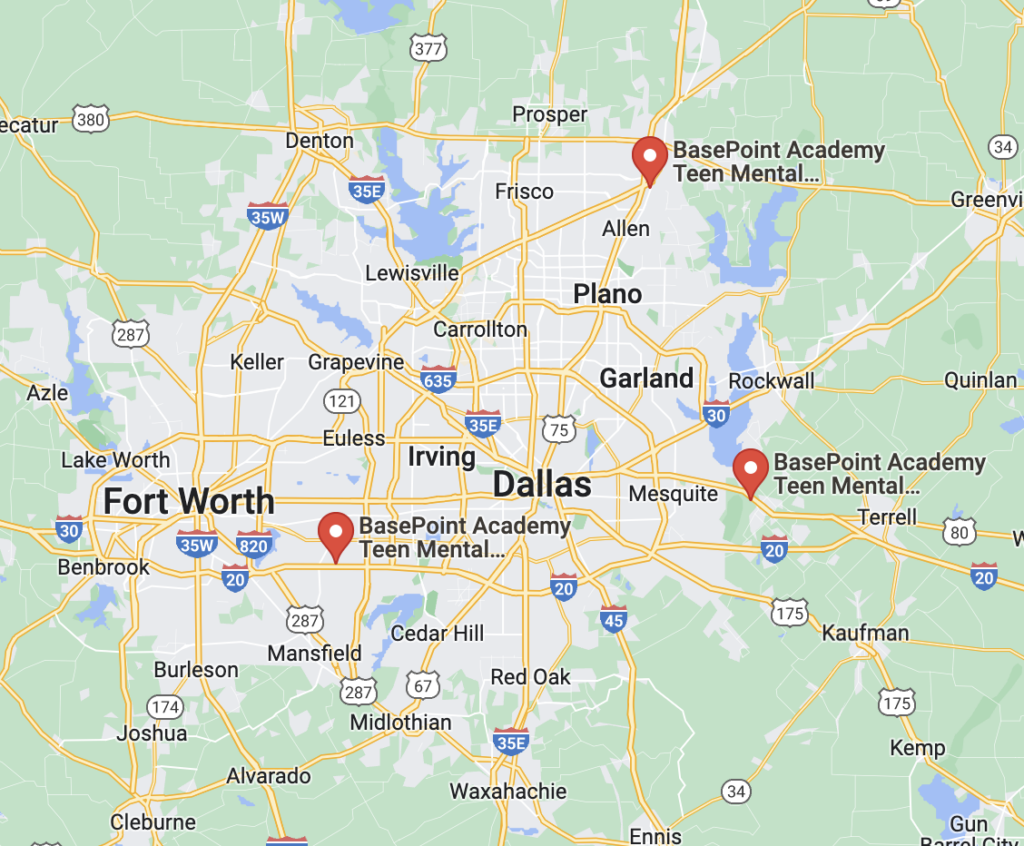
- Arlington, Texas: 3900 Arlington Highlands Blvd Suite 237, Arlington, TX 76018
- Forney, Texas: 713 W Broad St Suite 200, Forney, TX 75126
- Frisco, Texas: 8275 Judges Way #100i, Frisco, TX 75036
- McKinney, Texas: 4733 Medical Center Dr, McKinney, TX 75069
Ways to Find a Bipolar Mania Treatment Center
Finding a bipolar mania treatment center is vital for supporting teens’ mental health. Below, we’ve outlined a few steps you can take to find a suitable treatment facility that aligns with your child’s mental health needs.
- Research Online: Use search engines to discover nearby bipolar disorder mania treatment centers. Search for terms like “treatment for bipolar disorder mania in teens near me” to return relevant results.
- Check Reviews and Testimonials: Read reviews from other families to assess the effectiveness of each facility. Testimonials provide valuable perspectives on others’ experiences and the level of care they received.
- Ask for Recommendations: Reach out to your pediatrician, school counselor, or other parents for recommendations. They can often direct you to comprehensive mental health treatment programs that provide support for bipolar mood disorder.
- Explore Teenage Support Groups: Participate in group therapy sessions for teenagers and/or parents. These meetings can foster community and offer firsthand insights into effective adolescent recovery programs.
- Visit Facilities: When possible, schedule visits to the treatment centers of interest. Meeting the staff and experiencing the environment firsthand will help you determine if they’re right for your teen.
What Is the BasePoint Difference?

7am to 7pm CST
7 Days a Week

Full Time Physican
On Site

We Transport
To and From

Therapy Involving
the Whole Family

Family
Owned

Does Insurance Cover Hypomania and Mania Treatment for Teens?
Yes, insurance often covers hypomania and mania treatment for teens, but coverage varies by plan. It’s essential to check your insurance policy for specific details regarding mental health services. Look for information regarding bipolar mania therapy and medication management to understand the bipolar mania treatment options available.
At BasePoint Academy, we’re dedicated to helping families navigate their insurance options to clarify what treatments are covered. We can also provide specifics on copayments, deductibles, and prior authorization requirements. Understanding your coverage ensures your teen receives the necessary support for managing their bipolar disorder mania and hypomania effectively—call (972) 357-1749 today.

Which Health Insurance Providers Cover Mania Treatment Programs for Teenagers?
Several major health insurance providers , including Blue Cross Blue Shield, Aetna, Cigna Healthcare, Magellan, and UnitedHealthcare, cover mania treatment programs for teenagers. This mental health coverage typically includes outpatient bipolar mania therapy, inpatient care, and medication.
When considering treatment options for your teen, it’s essential to confirm the details of your coverage. Many plans will cover evidence-based therapies like cognitive behavioral therapy and outpatient programs designed for adolescents. However, understanding what services are available and any associated out-of-pocket costs will aid you in finding the proper support for your child’s mental health needs.
What Is the Adolescent Bipolar Mania and Hypomania Treatment Program Admissions Process At BasePoint?
The admissions process for an adolescent bipolar mania and hypomania treatment program at BasePoint is structured to ensure that your child receives the appropriate care and support they need. While specific procedures may differ between treatment centers, here’s a general overview of what you can expect.
- Initial Contact and Inquiry: The process typically begins with an initial contact, where you reach out to the treatment center to express your interest in their program. This may involve a phone call or an online inquiry, during which staff will provide you with essential information about the program.
- Intake Assessment: Following the initial contact, an intake assessment is scheduled. This comprehensive evaluation gathers detailed information about your teen’s mental health history, current symptoms of mania, and any other relevant factors. This assessment helps the treatment team understand your child’s specific needs and how best to support them.
- Initial Evaluation: After the intake assessment, your child will undergo an initial evaluation by a mental health professional. This evaluation will further explore their mental health status and any co-occurring issues, such as substance use, a common co-occurrence among this demographic. The goal is to thoroughly understand your teen’s condition to inform the treatment plan.
- Personalized Treatment Plan Development: Based on the findings from the assessments, a customized treatment plan is developed. This plan outlines specific goals and therapeutic interventions tailored to your teen’s unique needs, ensuring they receive targeted support.
- Insurance Verification and Financial Counseling: Once the treatment plan is in place, the next step involves verifying your insurance coverage and discussing financial options. The treatment center will help you understand what services your insurance covers and assist with any financial counseling needed to explore payment options.
- Admission Approval: After completing the previous steps, the treatment team will review your teen’s information and make an admission decision. If approved, you will be informed of the next steps and any necessary preparations for your child’s arrival.
- Family Orientation: Many programs include a family orientation session before admission. This informs families about the treatment process, expectations, and how you can support your teen during their recovery. It’s also an opportunity for families to ask questions and express any concerns.
- Admittance to the Program: Finally, once all steps are completed and preparations are made, your child will be admitted. During this stage, they will begin bipolar mania treatment, receiving the necessary support and care to manage manic episodes effectively.
Bipolar Mania Disorder Testing and Assessment for Teen Boys and Girls
Testing and assessment for bipolar mania disorder in teen boys and girls facilitates an in-depth understanding of their mental health needs. The evaluation process typically involves a combination of interviews, questionnaires, and standardized assessment tools designed to identify symptoms and their severity. Mental health professionals will explore your teen’s mood patterns, behaviors, and any family history of mental health issues.
If you suspect your teen may be experiencing symptoms of bipolar mania disorder, don’t hesitate to seek professional support. At BasePoint Academy, we offer thorough, confidential assessments to evaluate teens boys’ and girls’ mental health needs. Our team is committed to providing practical, adequate support and ensuring your teen receives the necessary care. Contact us today to schedule an assessment and take the first step toward bipolar mania treatment.
How Much Does Mania and Hypomania Treatment for Teens Cost in Dallas, Texas?
According to a systematic literature review by the National Institutes of Health, a comprehensive treatment plan can be costly. The annual expenses for bipolar disorder care can vary significantly, typically ranging from approximately $4,500 to over $21,000 a year, depending on the type of bipolar disorder diagnosed, whether treatment is outpatient, intensive outpatient, or residential, and multiple other factors.
Insurance coverage can significantly reduce your out-of-pocket expenses. Confirm your policy details to understand your benefits and explore bipolar mania treatment options that align with your budget. If you have questions about insurance, treatment costs, or navigating care without insurance coverage, contact BasePoint Academy for guidance.

Contact BasePoint Academy Today.
Does your teenager have bipolar mania or hypomania symptoms? Contact BasePoint Academy to discuss a treatment plan for your teen.
Sources
- World Health Organization. (n.d.). Mental health of adolescents. World Health Organization. Retrieved from https://www.who.int/news-room/fact-sheets/detail/adolescent-mental-health on July 11, 2023
- Horowitz, J. M. (2019, February 20). Most U.S. teens see anxiety and depression as a major problem among their peers. Pew Research Center’s Social & Demographic Trends Project. Retrieved from https://www.pewresearch.org/social-trends/2019/02/20/most-u-s-teens-see-anxiety-and-depression-as-a-major-problem-among-their-peers/ on July 11, 2023
Statistics on Mania and Hypomania in Teen Boys and Girls for Texas Families
- The Greater Houston Area Bipolar Registry is a research initiative focused on understanding bipolar disorder in Texas. It will enroll participants aged 6 to 17 with the condition or those with a parent diagnosed with the disorder, along with healthy controls. The study will collect clinical data, neurocognitive performance, biological samples, and neuroimaging over time to identify predictors of bipolar disorder and explore the impact of genetic and environmental factors on the disorder’s development.
- Reported lifetime rates of mania in youths have ranged from 0.1% to 1.7% among adolescents, with lifetime prevalence rates of 2.5% for bipolar I and II disorders in this age group.
- The estimated prevalence of bipolar disorder among adolescents ranges from 2.6% to 3.3%, with females more frequently affected than males, according to the National Institute of Mental Health.
- A study found that about 40% of adolescents who experienced mania or hypomania continue to have these symptoms into adulthood, highlighting the ongoing risk for young people with bipolar disorder.
- Of the participants who did not experience mania or hypomania in adulthood, 53% still reported subthreshold manic episodes.
- A 2018 study published in the American Journal of Psychiatry highlighted how symptoms of bipolar disorder can progressively develop in teenagers. The research found that sleep and anxiety disorders in childhood were significant predictors of bipolar disorder. The study followed 279 children, all of whom had at least one parent diagnosed with bipolar disorder. Among these participants, 24.5% went on to develop bipolar disorder, with symptoms typically emerging between the ages of 12 and 30.
- Eight randomized controlled trials have demonstrated that Family-Focused Therapy (FFT), when provided alongside mood-stabilizing medication for bipolar mania, effectively decreases symptom severity and the risk of relapse in adolescents.
- Various types of psychotherapy, including Interpersonal and Social Rhythm Therapy (IPSRT), tailored for bipolar disorder, have demonstrated the ability to accelerate recovery from acute episodes of mania or depression. They can postpone future episodes, reduce the likelihood of suicide attempts, and improve medication adherence.