

Anger Assessment and Testing for Adolescents Near Dallas, Texas
If your teenager often feels angry, frustrated, or out of control, it might be time to examine what’s driving those emotions. BasePoint Academy offers a free assessment to identify underlying causes of your teen’s anger. This confidential test allows you to understand whether your child’s reactions are part of normal development or signs of a deeper issue.
Our anger assessment for youths helps our licensed clinicians identify contributing factors, such as anxiety, depression, trauma, or stress, and guides your teen toward the most effective treatment path. Our anger management treatment programs for teens offer structured support to help your child build emotional regulation, resilience, and stronger communication skills. These programs go beyond surface-level behavior, addressing the root causes of anger so your teen can develop healthier coping skills and lasting emotional balance. If you’ve been searching for a free teen anger assessment near Dallas, call BasePoint Academy today to schedule a confidential mental health evaluation for your teenager.
Schedule a Confidential Test for Teenage Anger Issues at BasePoint Academy Today
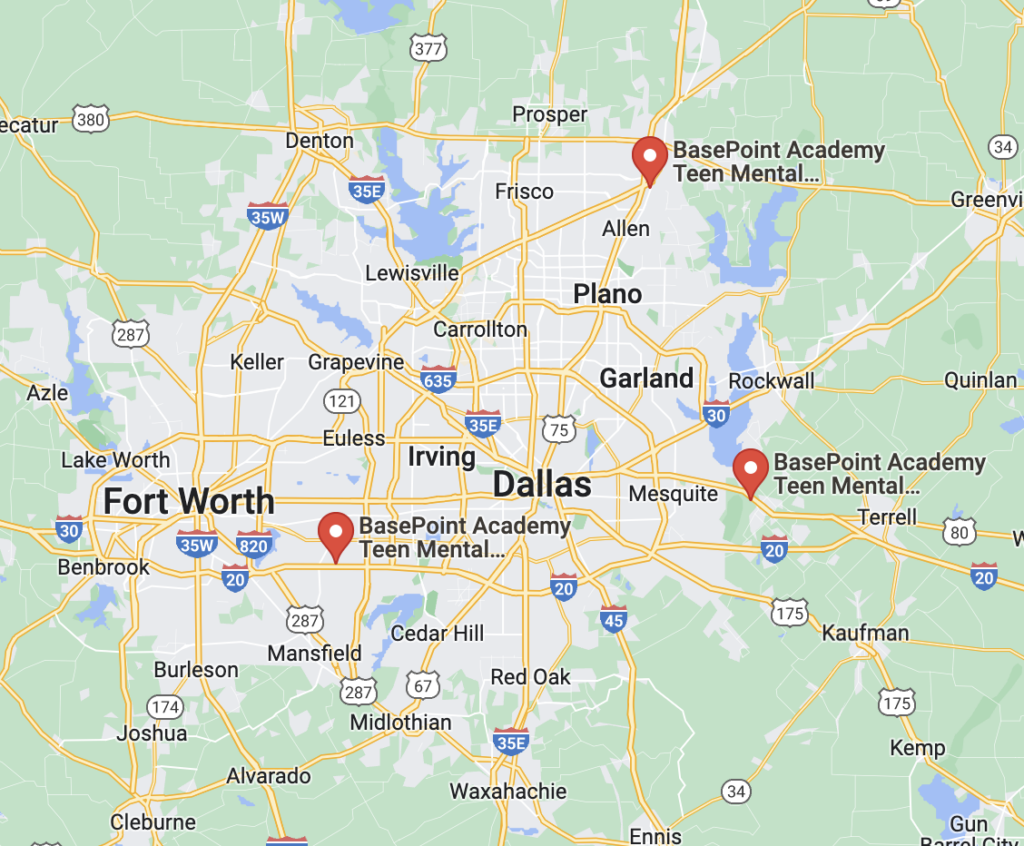
BasePoint Academy takes great pride in facilitating mental health care for Texas youths. With treatment centers in Arlington, Forney, Frisco, and McKinney, our specialized mental health screening and clinical assessments identify various conditions and issues, including those related to anger. We are committed to providing unwavering care and steering your teen toward emotional wellness.
Our confidential anger assessments for youth strive to understand each teen’s needs, allowing us to recommend treatment options tailored to your child’s circumstances. Call us today or complete our short contact form to schedule your teen’s comprehensive mental health evaluation.
Teenage Mental Health Assessment & Admissions
Our confidential assessment with a licensed clinician will allow us to recommend the appropriate level of care for your teen struggling with anger. We can also check your insurance coverage.
Call (972) 357-1749 or complete our inquiry form today to schedule a same-day teen anger assessment.






Teen Anger Management Admissions Inquiry form
What Is an Anger Disorder?
An anger disorder is characterized by a range of emotional and behavioral issues where teens struggle with controlling their anger, often leading to disproportionate and harmful reactions. This anger can manifest as frequent explosive outbursts, intense irritability, or prolonged feelings of anger, significantly disrupting daily life and relationships.
Examples of disorders with anger as a key sign include Intermittent Explosive Disorder (IED) and Oppositional Defiant Disorder (ODD). Teenagers with these conditions may struggle to manage their emotions, often experiencing sudden, explosive reactions to minor provocations. Understanding and addressing these disorders through therapy and, in some cases, with medication is crucial for improving your child’s quality of life and interpersonal relationships.
What Are the Symptoms of Anger Issues?
Recognizing the signs of emotional distress in teens is a crucial step toward providing the right support. The following list outlines the key behavioral, emotional, and social indicators that an adolescent may be struggling with anger management. Identifying these warning signs early can help guide them toward healthier coping strategies and better emotional regulation.
- Intense Emotional Outbursts: Exhibiting rage, raising voices, and displaying unpredictable or volatile behavior.
- Physical and Verbal Aggression: Demonstrating hostility, physical aggression, and engaging in frequent arguments with peers, family, and authority figures.
- Behavioral Defiance: Showing persistent irritability, frustration, and rebellious conduct that often leads to disciplinary issues at school or home.
- Overwhelming Internal Distress: Feeling anxious, depressed, or emotionally overwhelmed by seemingly trivial frustrations.
- Disproportionate Reactions: Reacting with intense fury to minor triggers.
- Social and Relationship Struggles: Withdrawing socially and experiencing difficulty cultivating or sustaining friendships.
Contact BasePoint Academy Today
Contact us today to schedule a confidential assessment for your teen with a licensed clinician.
You can also get in touch to talk with our mental health experts about treatment needs, care options and your insurance coverage levels.
Call: (972) 357-1749Check Your InsuranceWhat Mental Health Disorders Cause Anger Issues?
Several disorders can cause significant anger issues in adolescents. According to the Diagnostic and Statistical Manual of Mental Disorders, Fifth Edition (DSM-5), anger is a key mental health diagnostic criteria in 5 diagnoses: Intermittent Explosive Disorder (IED), Oppositional Defiant Disorder (ODD), Disruptive Mood Dysregulation Disorder (DMDD), Borderline Personality Disorder (BPD), and bipolar disorder.
IED involves sudden, intense outbursts of anger often disproportionate to the situation. A persistent pattern of anger, irritable mood, and defiant behavior characterizes ODD. DMDD presents with severe temper outbursts and chronic irritability. BPD includes intense, unstable emotions and relationships, and bipolar disorder involves mood swings that can consist of episodes of anger and irritability.
Understanding these disorders allows you to seek appropriate treatment for your child. Contact BasePoint Academy to schedule an anger issues test for your teen today.
Can a Therapist Screen for and Diagnose Anger in a Teen?
Yes, a therapist can screen for and diagnose anger in a teen. Through interviews, behavioral observations, and standardized mental health assessment tools, therapists identify underlying issues contributing to anger. They evaluate the intensity, frequency, and triggers of the rage and consider factors like family dynamics, medical history, and social influences.
Therapists use various methods to assess anger in adolescents, including self-report assessment questionnaires, parental input, and direct observation during therapy sessions. By establishing a comprehensive understanding of the teen’s emotional state and behavior, therapists can provide accurate diagnoses and create tailored intervention plans to address the root causes of your child’s anger, promoting healthier coping mechanisms and emotional regulation.
BasePoint Academy Accepts Health Insurance
We accept most major health insurance providers in Texas and can check your treatment coverage levels on your behalf.
Schedule a Teen Anger Assessment in the Dallas-Fort Worth Area
BasePoint Academy provides mental health assessments for teens near Dallas, Texas. Our Arlington, Forney, Frisco, and McKinney locations offer thorough evaluations and a range of adolescent-focused mental health services. Additionally, we accept insurance, making our accredited and high-quality treatment more accessible. To confirm your insurance coverage and schedule your teen’s complimentary anger assessment, call (972) 357-1749.
- Arlington, Texas: 3900 Arlington Highlands Blvd Suite 237, Arlington, TX 76018
- Forney, Texas: 713 W Broad St Suite 200, Forney, TX 75126
- Frisco, Texas: 8275 Judges Way #100i, Frisco, TX 75036
- McKinney, Texas: 4733 Medical Center Dr, McKinney, TX 75069
Anger Assessment in Arlington, Texas
In Tarrant County, Texas, Arlington is about 20 miles west of Dallas and 15 miles east of Fort Worth. As the seventh-most populous city in Texas, Arlington is a hub for business, education, and entertainment and home to major sports teams like the Dallas Cowboys and the Texas Rangers.
- BasePoint Academy – Arlington, Texas: 3900 Arlington Highlands Blvd Suite 237, Arlington, TX 76018
Anger Assessment in Forney, Texas
Forney is 20 miles east of Dallas in Kaufman County, Texas. Forney has a growing population and is recognized for its dynamic economic landscape. Despite its proximity to Dallas, Forney maintains a distinct identity, embodying a flourishing community balancing growth and vitality.
- BasePoint Academy – Forney, Texas: 713 W Broad St Suite 200, Forney, TX 75126
Anger Assessment in McKinney, Texas
McKinney in Collin County, Texas, is a vibrant city within the Dallas-Fort Worth metroplex. With over 230,000 residents, McKinney is home to major businesses and industries. Its distinctive character and dynamic economic landscape embody the essence of a flourishing urban center.
- BasePoint Academy – McKinney, Texas: 4733 Medical Center Dr, McKinney, TX 75069
Anger Assessment in Frisco, Texas
Frisco, in Collin County, Texas, is about 25 miles north of Dallas and is known for its rapid growth, strong school systems, and family focused community. As one of the fastest growing cities in the state, Frisco is home to major employers, sports venues, and vibrant neighborhoods.
- BasePoint Academy – Frisco, Texas: 8275 Judges Way #100i, Frisco, Texas, 75036
Contact BasePoint Academy Today
Contact us today to schedule a confidential assessment for your teen with a licensed clinician.
You can also get in touch to talk with our mental health experts about treatment needs, care options and your insurance coverage levels.
Call: (972) 357-1749Check Your InsuranceAre Anger Assessments for Adolescents Confidential at BasePoint Academy?
Yes, anger assessments for youths are confidential. Therapists are bound by ethical and legal standards to protect your teen’s privacy. Information shared during the assessment is kept secure and only shared with consent, except in cases where there is a risk of harm to your teen or others.
As a parent, you can trust that the details of your teen’s anger assessment will be handled with the utmost care and discretion. Therapists will discuss confidentiality policies with you and your teen at the beginning of the assessment, ensuring everyone understands how information will be used and protected. This confidentiality fosters a safe environment for your teen to express their feelings openly and honestly.
What Questions Can I Expect During an Anger Assessment?
During an anger assessment for your teen, therapists may ask a variety of questions to gain an understanding of a child’s emotions and behaviors. You may also encounter addiction-related questions, especially if there are concerns about substance use or if addiction issues run in the family.
Here are some examples of questions you might expect, along with explanations of why they’re asked:
Questions Often Asked During Anger Assessments
- Can you describe what situations or events typically trigger your teen’s anger? Understanding your teenager’s triggers helps BasePoint Academy identify patterns and potential underlying causes of anger.
- How does your teen express their anger? Do they yell, become physically aggressive, or withdraw? Exploring how anger is expressed helps us assess its severity and potential impact on relationships and daily functioning.
- Has there been a recent change in your teen’s behavior or mood? Changes in behavior can signal underlying issues or stressors contributing to anger.
- How does your teen cope with anger? Do they have healthy coping strategies? Assessing coping mechanisms helps us determine if your teen has effective ways to manage anger or if they may benefit from learning new skills.
- Are there any family conflicts or stressors that might influence your teen’s anger? Family dynamics and stressors can significantly affect a teen’s emotional wellbeing and expression of anger.
- Has your teen experienced any traumatic events or significant losses recently? Trauma and loss can contribute to heightened emotions, including anger, and may require specialized treatment approaches.
- How does your teen’s anger affect their relationships with family, friends, or peers? Understanding the interpersonal effects of anger helps gauge its severity and identify areas for intervention and support.
- Does your teen have any other mental health concerns or diagnoses? Co-occurring mental health issues can influence anger and may require integrated treatment approaches.
- Has your teen experimented with or regularly used drugs or alcohol? This question helps BasePoint assess any potential substance abuse issues that may contribute to or exacerbate anger problems.
- Do you suspect your teen may be using substances to cope with stress or anger? Understanding whether your child is using substances as a coping mechanism provides insight into underlying issues and potential triggers for anger.
- Are there any family members with a history of substance abuse or addiction? A family history of addiction can increase the risk of substance abuse in teens and may influence their emotional and behavioral responses, including anger.
- Have you noticed any changes in your teen’s behavior or academic performance that could be linked to substance use? Changes in behavior or academic performance may indicate substance abuse problems and allows us to identify additional factors contributing to anger.
- Has your teen experienced any legal issues related to substance use? Legal issues can be a consequence of substance abuse and may affect your teen’s emotional wellbeing and level of anger.
Contact BasePoint Academy Today
Contact us today to schedule a confidential assessment for your teen with a licensed clinician.
You can also get in touch to talk with our mental health experts about treatment needs, care options and your insurance coverage levels.
Call: (972) 357-1749Check Your InsuranceCan I Schedule an Anger Assessment for My Child or Dependent Near Dallas, TX?
Yes, you can schedule an anger management disorder test for your child or dependent near Dallas, Texas. It is common for loved ones to make the initial call to BasePoint Academy. At our facilities, an assessment for mental disorders is a vital step in the admissions process. Scheduling this assessment demonstrates your unwavering commitment to your child’s wellbeing and development.
Our licensed professionals possess vast experience and expertise in adolescent development. We will provide an accurate diagnosis and a tailor an anger treatment plan to your child’s needs. Being proactive in advocating for your teen’s mental health and ensuring they receive the essential care is praiseworthy. Call (972) 357-1749 or reach out to our anger hotline today to schedule a confidential assessment.
Who Can Perform Psychological Testing for Adolescents Near Dallas, Texas?
In Texas, a licensed psychologist certified in a relevant field by the American Board of Professional Psychology or a licensed psychiatrist certified in a relevant field by the American Board of Psychiatry and Neurology must carry out a mental health or psychological evaluation. These professionals possess the expertise, qualifications, and mental health evaluation tools required for accuracy.
Choosing a licensed psychologist for your child’s assessment guarantees the results are credible and consistent and adhere to strict ethical guidelines and professional standards. This assurance empowers you to make informed decisions regarding your child’s mental health and overall wellbeing.
Types of Anger Disorders I Can Request an Assessment for
You can request an assessment for all types of anger disorders, including the following. However, this isn’t a complete list of all the disorders for which you could request an assessment. For further details about BasePoint Academy’s anger treatment program and to arrange a confidential assessment for your teen, call (972) 357-1749.
Intermittent Explosive Disorder in Teens
Intermittent Explosive Disorder (IED) is marked by recurrent episodes of impulsive and aggressive behavior that are disproportionate to the situation. In your teen, these IED outbursts can manifest as sudden fits of rage, verbal or physical aggression, and property destruction.
Assessing IED typically involves thorough evaluations by mental health professionals, including interviews with you and your teen, observation of behavior, and the use of standardized assessment tools to gauge the frequency, intensity, and triggers of explosive episodes.
Oppositional Defiant Disorder in Adolescents
Oppositional Defiant Disorder (ODD) is common in adolescents and is characterized by a persistent pattern of defiance, hostility, and disobedience towards authority figures. Teens with ODD often exhibit argumentative behavior, defiance of rules, and a tendency to provoke others deliberately.
Assessing ODD usually involves comprehensive evaluations by mental health professionals; these may include interviews, behavioral observations, and standardized assessment tools to determine the severity and effect of your teen’s symptoms.
Disruptive Mood Dysregulation Disorder in Teens
Disruptive Mood Dysregulation Disorder (DMDD) is commonly observed in teenagers. It is characterized by severe, recurrent temper outbursts that are grossly out of proportion to the situation. Teens who have DMDD often experience persistent irritation or anger between outbursts.
Assessing DMDD typically involves comprehensive mental health evaluations that include interviews with you and your teenager, behavioral observation, and the use of standardized assessment tools to measure the temper outbursts’ frequency, intensity, and duration.
Explosive Anger Issues in Adolescents
Explosive anger issues in adolescents are recurring episodes of intense and uncontrollable outrage that can lead to verbal or physical aggression, property destruction, and emotional distress. These outbursts may occur in response to seemingly minor triggers and can significantly disrupt the teen’s daily life and relationships.
Mental health professionals assess explosive anger issues through interviews with you and your adolescent, behavioral observations, and the use of standardized assessment tools.
Intermittent Anger Issues in Teens
Intermittent anger issues in teens manifest as occasional bursts of anger that arise unpredictably, often lacking clear triggers. These outbursts, varying in intensity and duration, significantly disrupt emotional regulation and may escalate into conflicts within the family or school environment.
Evaluating your teen for intermittent anger issues involves detailed interviews, careful observation of behavior, and the use of standardized assessment tools. Through these methods, professionals aim to gain insights into the frequency, intensity, and potential triggers of the anger episodes, facilitating a deeper understanding of your teen’s emotional struggles and guiding the development of effective coping skills and interventions.
General Anger Issues in Adolescents
General anger issues in adolescents encompass a range of struggles involving frequent or intense feelings of anger that can enrage the teenager, leading to disruptions in daily life and relationships. These issues may arise from various sources, including stress, hormonal changes, or underlying mental health conditions.
Mental health professionals can assess general anger issues through interviews, observing behaviors, and the use of standardized assessment tools.
When Is the Best Time to Schedule a Teenage Anger Issues Test at BasePoint?
It’s crucial to recognize the distinction between typical adolescent behavior and signs of anger issues. If you’re worried about your child’s mental well-being, call (972) 357-1749 today to arrange an anger management assessment at BasePoint Academy. Our clinic operates 7 days a week, from 7 a.m. to 7 p.m. CST, ensuring flexible appointment scheduling to meet diverse needs.
If your child is exhibiting fits of rage or resentment or having frequent angry outbursts, contact us promptly for a psychological evaluation. Early intervention is crucial and can be lifesaving. The skilled professionals at BasePoint Academy deliver timely, compassionate care for adolescents navigating challenges with anger.
By quickly scheduling a mental and behavioral health assessment, you are one step closer to understanding and addressing your child’s mental health concerns. This proactive approach ensures early identification of issues, paving the way for effective intervention.
What Is the Difference Between Anger Screening, Testing, & Assessment?
While anger screening, testing, and assessment may have nuanced differences, they are often used interchangeably. Screening typically involves a brief evaluation to determine the need for further assessment, using questionnaires or mental health assessment checklists to identify potential symptoms related to an anger disorder.
Testing, on the other hand, refers to more in-depth evaluations conducted by mental health professionals to assess specific aspects of anger, including severity, triggers, and its effects on your teen’s daily life. These assessments may encompass standardized tests, interviews, discussions, and behavioral observation.
Diagnostic assessment entails a comprehensive process involving screening, testing, clinical interviews, medical history review, and observation to accurately diagnose and create a tailored treatment plan.
Understanding these terms empowers you to navigate the process of seeking help for your child’s anger. Regardless of the terminology used, the goal is to gain insight into your child’s anger and provide them with the treatment they need to thrive. Contact BasePoint Academy at (972) 357-1749 today to ensure your child receives the necessary care.
What Happens If My Child Is Diagnosed With an Anger-Related Condition?
Following diagnosis, the skilled professionals at BasePoint Academy work closely with you and your child to develop a tailored treatment plan. We continuously monitor and aid their progress, ensuring their treatment plan remains effective and making any adjustments as needed.
We are committed to empowering you and your child with the knowledge and resources to manage anger issues effectively and improve their overall well-being. With our compassionate approach and comprehensive services, you can have confidence that your child will receive the support they need to navigate and address their anger issues, paving the way for a healthier, more fulfilling future. Call (972) 357-1749 today.
Effective Teen Anger Management With BasePoint Academy
We can help your teen overcome anger issues and other mental health concerns with expert care in a safe environment. Call today to discover long-term healing.
Statistics and Information on Anger Issues in Adolescents
- Anger management programs effectively reduce anger levels among school-going adolescents by improving their problem-solving, communication, and adjustment skills, according to research in the Journal of Education and Health Promotion.
- Information from Harvard Medical School reveals almost 2/3 of American adolescents have encountered an anger attack involving threats of violence or violent behavior.
- Unmanaged anger poses a significant issue for adolescents and can lead to depression, suicidal thoughts, substance abuse, hostility, rage, violence, and criminal behavior, according to the journal Issues in Comprehensive Pediatric Nursing.
- Conducted with support from the National Institute of Mental Health, a research study investigating the prevalence of Intermittent Explosive Disorder (IED) surveyed over 10,000 teenagers and their parents. The results indicated IED disorder commonly manifests early in life, with an average onset at age 12, and is notably more prevalent among boys, occurring 2 to 3 times more frequently than in girls.
- Research published in the Journal of Education and Health Promotion reveals that out of 1,300 school-going adolescents screened, 663 (approximately 51%) exhibited a moderate level of anger. This finding underscores the widespread nature of anger difficulties within this age group.