

Teen Bipolar Disorder Partial Hospitalization Program (PHP) Near Dallas-Fort Worth, Texas
A teen bipolar disorder Partial Hospitalization Program (PHP) near Dallas, Texas, provides specialized treatment for this mood disorder, which affects an estimated 4% of people younger than 18, according to the American Psychological Association. With multiple locations in Dallas-Fort Worth, BasePoint Academy’s goal is to provide comprehensive day treatment to teens struggling with bipolar disorder, formerly known as manic depression.
Our partial hospitalization services allow teens to maintain much of their daily routines and connections. At BasePoint Academy, we’re committed to facilitating access to the necessary treatment, including counseling and effective day treatment programs. Call us to speak to a representative today about how to help a teen with bipolar disorder, and keep reading for more information on the signs of bipolar disorder in teens and our PHPs near Dallas.
Understanding Teenage Bipolar Disorders
Teenage bipolar disorders are characterized by intense mood swings, ranging from manic highs to depressive lows. Symptoms of bipolar disorder in teens include impulsivity, extreme irritability, and difficulty maintaining relationships, often making early diagnosis and treatment crucial.
Understanding bipolar spectrum conditions in teens requires recognizing their unique challenges. Manic episodes may present as bursts of energy, grandiosity, or risk-taking, while depressive phases often include withdrawal, sadness, and hopelessness. The symptoms of bipolar mood disorder can affect school performance and family dynamics. Early intervention through therapy and medication can significantly improve outcomes, empowering teens to manage their condition and thrive.
Insurance Coverage for a Teen Bipolar Disorder PHP
Our confidential assessment with a licensed clinician will allow us to provide you with a recommendation for the appropriate level of care for your teen struggling with bipolar disorder. We can also check your insurance coverage levels. Call (972) 357-1749 or complete our inquiry form today to schedule a same-day assessment.









Teen Bipolar
PHP Admissions Inquiry
What Causes Bipolar Disorders in Teens?
The exact causes of bipolar disorders in teens are unknown. However, they likely involve genetic, biological, and environmental factors. A family history of affective disorders, brain chemistry imbalances, and high-stress environments can all contribute to the development of bipolar spectrum disorder in teens. Identifying these causes is key to understanding and managing the condition effectively.
Research indicates the heritability of bipolar disorder is approximately 60% to 80%. Brain structure and neurotransmitter imbalances affect emotional regulation, intensifying mood swings. Environmental stressors, such as trauma, abuse, or unstable relationships, can trigger or worsen symptoms.
Does your family have a history of mental illness? Are you noticing adolescent behavior indicative of a mood swings condition? Don’t hesitate to seek the proper care at BasePoint Academy. Addressing bipolar affective disorder through early intervention and treatment is essential for improving outcomes.
What Are Different Types of Bipolar Disorders in Teens?
Bipolar disorders in teens, sometimes referred to as manic-depressive illnesses, are complex and can present in different forms. Each type of bipolar mental health condition involves shifts between emotional highs (mania) and lows (depression), but the intensity and pattern of these shifts vary. Here are some examples of bipolar disorders commonly seen in adolescents, though this isn’t an exhaustive list.
Cyclothymic Disorder
Cyclothymic disorder is a type of mood instability disorder characterized by chronic fluctuations between mild depressive and hypomanic symptoms. While these mood shifts are less severe than those seen in other bipolar conditions, they can disrupt daily life and relationships if left untreated. Early recognition of these patterns is essential for managing this condition effectively.
Substance-Induced Bipolar and Related Disorder
Substance-induced bipolar and related disorder occurs when mood disturbances, such as manic or depressive episodes, are triggered by alcohol, drugs, or medication. This form of bipolar syndrome highlights the complex interplay between substance use and mental health, emphasizing the importance of addressing both to achieve stability.
Bipolar I Disorder
Bipolar I is a severe bipolar psychiatric condition marked by at least one manic episode that may be accompanied by major depressive episodes. These manic episodes can cause significant disruptions in functioning, requiring professional intervention to help restore balance and stability.
Bipolar II Disorder
Bipolar II disorder involves recurring episodes of major depression and hypomania, a less extreme form of mania. While the symptoms of hypomania may appear less disruptive, the depressive episodes can profoundly affect a teen’s life, making early diagnosis and treatment critical.
Bipolar Disorder Not Otherwise Specified (NOS)
Bipolar disorder not otherwise specified falls within the bipolar spectrum illness category and is used to describe mood disorders that don’t fit neatly into defined bipolar types. Teenagers with this condition may experience significant mood swings that require personalized treatment approaches to manage.
Rapid-Cycling Bipolar Disorder
Rapid-cycling bipolar disorder is characterized by 4 or more distinct mood episodes—mania, hypomania, or depression—within a single year. This pattern of mood shifts can be particularly challenging for teens, making timely intervention and a tailored treatment plan essential for managing symptoms.
What Are the Signs of Bipolar Disorder in My Adolescent?
Bipolar disorder in teens can be difficult to recognize since mood swings are often mistaken for typical adolescent behavior. But bipolar disorder involves distinct shifts between manic and depressive episodes that go beyond ordinary ups and downs. Recognizing these patterns early makes a real difference in getting a teen the right care. Here are some signs to watch for:
- Periods of unusually elevated energy, euphoria, or irritability
- Decreased need for sleep without feeling tired
- Rapid, pressured speech or racing thoughts
- Impulsive or risky decision-making
- Inflated self-confidence or grandiose thinking
- Periods of deep sadness, hopelessness, or low energy
- Loss of interest in activities they once enjoyed
- Changes in appetite or sleep patterns
- Difficulty concentrating or making decisions
- Withdrawal from friends, family, or school activities
- Thoughts of worthlessness or, in severe cases, self-harm

What Is a PHP for Bipolar Disorder in Teens?
A Partial Hospitalization Program (PHP) for teens with bipolar disorder is a structured day treatment program that provides intensive psychiatric care without overnight stays. Teens attend therapy sessions during the day and return home each evening, combining focused treatment with the stability of staying connected to family and daily routines.
Treatment blends individual psychotherapy, group counseling, and skill-building activities, all aimed at teaching teens to manage their mood swings and build emotional stability. Medical monitoring is woven into the program to track symptoms and adjust medication as needed, while family involvement gives parents and siblings a role in reinforcing what teens learn during the day.
Many teens with bipolar disorder also live with a co-occurring condition, most commonly anxiety or a substance use disorder. This overlap is well documented, and addressing both conditions at the same time, rather than treating one in isolation, leads to better outcomes. A PHP built around dual diagnosis care gives teens tools for both sets of symptoms in one place.
This kind of care allows teens to strengthen their relationships, keep pace at school, and move through daily life with more confidence. These programs are ideal for teens transitioning from inpatient treatment or needing more support than standard outpatient care. If you’re interested in enrolling your child in PHP bipolar disorder treatment at BasePoint Academy near Dallas, contact us today. We can provide all the pertinent information, confirm your insurance coverage details, if applicable, and much more.
What Are the Key Differences Between PHPs and IOPs for Bipolar Disorder?
The key difference between partial hospitalization and intensive outpatient programs lies in intensity and time commitment. A PHP for mental health, also known as a psychiatric day program or behavioral health day program, provides more structured, full-day treatment 5 days a week, while Intensive Outpatient Programs (IOPs) involve fewer hours, allowing for greater flexibility day to day.
PHPs are ideal for adolescents who need comprehensive care but don’t require 24/7 inpatient support. A recovery-focused PHP commonly includes multiple therapy sessions, skill-building activities, and medical monitoring to stabilize symptoms of bipolar disorder in teens. In contrast, IOPs focus on providing targeted therapy and support a few times a week, making them an appropriate step down from PHPs or a good fit for teens with milder symptoms.
Call BasePoint Academy today to learn more about our bipolar disorder treatment for teenagers near Dallas. We can conduct a confidential assessment to determine the most suitable level of outpatient day program for your child’s needs.
Therapies for Teenage Bipolar Disorder in PHPs Near Dallas, Texas

Recognizing the signs of bipolar disorder in teens is the first step toward effective treatment. A teen bipolar disorder PHP near Dallas, Texas, offers a range of valuable therapy options to manage the challenges teens with this disorder face. Below are some examples of therapeutic approaches used in partial hospitalization programs, though this list isn’t exhaustive.
Psychodynamic Therapy Techniques
Psychodynamic therapy techniques help teens explore unconscious emotions and past experiences that may contribute to bipolar disorder symptoms. By understanding these underlying issues, adolescents can gain insight into their behaviors and thought patterns, fostering greater self-awareness and emotional resilience in managing bipolar illness.
Family Therapy
Family therapy is crucial for treating teenage bipolar disorders, as it addresses the family dynamics and communication patterns that can affect a teen’s mental health. This therapy helps families learn effective ways to support their teenager, improving understanding and creating a more nurturing home environment.
Dialectical Behavior Therapy (DBT)
Dialectical Behavior Therapy (DBT) is particularly effective for teens with mood disorders, focusing on emotional regulation, distress tolerance, and interpersonal skills. DBT equips teens with practical tools to manage intense emotions and improve relationships, reducing self-destructive behaviors and promoting stability.
Cognitive-Behavioral Therapy (CBT)
Cognitive-Behavioral Therapy (CBT) is a widely used approach for treating teenage bipolar spectrum disorders, emphasizing the connection between thoughts, feelings, and behaviors. Teens learn to challenge negative thought patterns, develop healthier coping mechanisms, and build skills to manage mood swings and stress effectively.
Experiential Therapy
Experiential therapy involves engaging teenagers in activities like art, music, or outdoor experiences to help them process emotions and express themselves non-verbally. This therapeutic approach can be constructive for teens with bipolar conditions as it encourages creative expression and emotional growth.
Group Therapy
Group therapy provides a supportive space where teens living with bipolar psychiatric conditions can share experiences, build social skills, and learn from one another. This peer-based approach fosters community, reduces feelings of isolation, and promotes mutual support and encouragement in managing mental health challenges.
Individual and Person-Centered Therapies
Individual counseling and person-centered therapy address the needs of each teen, allowing for a personalized treatment approach. This method emphasizes building a strong therapeutic relationship, encouraging self-discovery, and helping adolescents set and achieve personal goals in managing their bipolar disorder.
BasePoint Academy Accepts health Insurance
We accept most major health insurance providers in Texas and can check your treatment coverage levels on your behalf.
Adolescent Bipolar Disorder Partial Hospitalization Programs Near Dallas, Texas
BasePoint Academy’s specialized bipolar disorder PHPs for teenagers near Dallas, Texas, meet the unique needs of our communities. Our day treatment programs are personalized and effective in helping teens build resilience, manage their symptoms, and recover in an empathetic and encouraging setting.
Our focused, high-quality care offers complete support to promote healing. Allow our experienced team to guide your teen toward recovery with a tailored treatment plan and compassionate support.
- Arlington, Texas: 3900 Arlington Highlands Blvd Suite 237, Arlington, TX 76018
- Forney, Texas: 713 W Broad St Suite 200, Forney, TX 75126
- Frisco, Texas: 8275 Judges Way #100i, Frisco, TX 75036
- McKinney, Texas: 4733 Medical Center Dr, McKinney, TX 75069
- North Richland Hills: 8479 Davis Blvd Suite 100, North Richland Hills, TX 76182
What Is the BasePoint Difference?

7am to 7pm CST
7 Days a Week

Full Time Physican
On Site

We Transport
To and From

Therapy Involving
the Whole Family

Family
Owned

Does Health Insurance Cover PHPs for Adolescent Bipolar Disorder Therapy Around Dallas?
Health insurance often covers Partial Hospitalization Programs (PHPs) for adolescent bipolar disorder. Plans from providers like Aetna, Cigna, UnitedHealthcare, Blue Cross Blue Shield of Texas (BCBSTX), and Optum may include this coverage. However, the extent of your coverage will depend on your particular plan and multiple other factors.
It’s vital that you check your insurance details with BasePoint Academy to understand what is included. Contact us for a thorough review of your benefits and to inquire about coverage for our teen bipolar disorder PHP near Dallas, Texas. We can provide specifics on copays, deductibles, any necessary prior authorizations, and more. Understanding your insurance plan will allow you to make informed decisions and secure the appropriate care for your teen.

Are There Confidential Bipolar Disorder Evaluations and Assessments in Texas?
Yes. BasePoint Academy offers confidential, no-obligation evaluations for teens struggling with bipolar disorder. This assessment is conducted by licensed professionals specializing in adolescent psychology and helps us determine the right level of care for your teen, ensuring their needs are thoroughly understood and addressed.
If you’re ready to proceed with an evaluation, call (972) 357-1749 today. Our caring team is here to support you through this crucial first step in your child’s transformative path to healing and stability.
What Is the Admissions Process for a Teen Bipolar Disorder PHP?
BasePoint Academy’s admissions process for teen Partial Hospitalization Program (PHP) for bipolar disorder ensures your child receives a treatment plan tailored to their needs. While the process may vary slightly, here is an overview of the steps you can expect:
- Initial Contact: The process begins when you contact us by phone, email, or online. The admissions team will gather basic information about your teen’s bipolar symptoms and discuss their treatment needs.
- Assessment and Evaluation: A licensed professional will assess your teen’s medical history, current symptoms, and emotional well-being. This evaluation helps determine the appropriate level of care and informs the development of a treatment plan.
- Insurance Verification: The admissions team will verify your insurance coverage and explain any out-of-pocket costs. We’ll work with your insurer to confirm benefits and help with financial arrangements if needed.
- Treatment Plan: A personalized treatment plan is developed based on the assessment, often incorporating modalities like Cognitive-Behavioral Therapy (CBT), psychoeducation, and family therapy to address symptoms of bipolar disorder in teens and improve their emotional regulation.
- Admissions Coordination: The admissions coordinator will guide you through the next steps, including what your child should bring and detailed program information. They’ll also confirm the start date and address any questions you may have.
- Orientation and Program Introduction: On the first day, your teen will receive an orientation to familiarize them with the facility, staff, and daily schedule and ease any concerns.
- Active Participation in Treatment: Your teen will participate in individual and group therapy sessions, skill-building activities, and other therapeutic interventions that manage bipolar symptoms and stabilize mood swings.
- Progress Monitoring and Adjustments: The treatment team will continuously monitor your teen’s progress and adjust the plan as needed. Regular communication ensures everyone remains aligned.
How Much Does a Teen PHP for Bipolar Disorder Cost With and Without Health Insurance?
The cost of an adolescent Partial Hospitalization Program (PHP) for bipolar disorder can vary based on factors like your insurance coverage and the specific treatment services your teen requires. Before insurance, PHPs average $350 to $900 a day in Texas. If you’re insured, most of this cost is often covered, leaving you responsible for out-of-pocket expenses like copays and deductibles.
If you do not have insurance or your plan doesn’t fully cover PHP therapy, you may be able to access payment plans or financial assistance to make the cost more manageable. It’s a good idea to contact BasePoint Academy directly to explore any available options and discuss a payment structure that works for your situation. We can also provide a personalized estimate of cost of PHP treatment for your child.
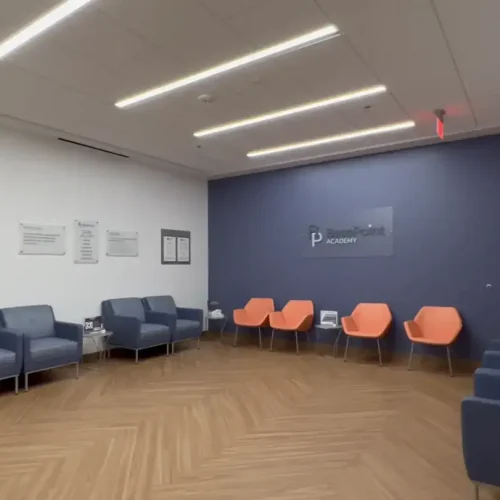
Reasons to Enroll My Teen in a PHP for Bipolar Disorder at BasePoint Academy
A Partial Hospitalization Program (PHP) for bipolar disorder offers your teen the intensive support needed to manage symptoms and build coping skills. PHPs provide structured care, combining therapy, skill-building activities, and medical monitoring, helping your teen stabilize their mood and develop the tools necessary for long-term emotional well-being.
This program offers a safe environment where your teen can receive focused care while maintaining independence. By addressing mood disorders’ emotional and psychological aspects, a PHP can significantly improve your teen’s quality of life, fostering healthier relationships, better academic performance, and a brighter future.
Contact BasePoint Academy Today
Is your teen exhibiting symptoms of bipolar disorder? Contact BasePoint Academy to discuss a treatment plan for your child.
Statistics and Info on Teen Bipolar Disorder and Partial Hospitalization Programs for Texas Families
- According to Here for Texas, adolescents with bipolar disorder experience rapid mood swings, and they’re also prone to substance use disorder, often self-medicating with drugs or alcohol during depressive episodes.
- A study in Psychiatric Services on 1-year treatment utilization among adolescents with bipolar spectrum disorder found that 17% of these teens participate in Partial Hospitalization Programs (PHP).
- Biological Psychiatry reports that 27.7% of individuals experience the first onset of bipolar disorder symptoms before the age of 13, while 37.6% show initial symptoms between the ages of 13 and 18.
- According to UT Health San Antonio, 19.4% of youths in Texas juvenile correctional facilities were diagnosed with a bipolar disorder
- The American Psychological Association reports that, on average, individuals with bipolar disorder wait approximately 10 years from the time they first seek mental health services to receive an official diagnosis.
- Research published in Counseling Outcome Research and Evaluation found that a 6-week PHP for adolescents effectively reduced symptom severity and improved relational health over time, based on a mixed-methodology study involving 35 adolescents experiencing primarily mood disorder symptoms.