

Teen Body Dysmorphic Disorder (BDD) Treatment Program Near Dallas, Texas
Is your child struggling with obsessive body image thoughts and distorted body perception? BasePoint Academy’s holistic body dysmorphic disorder treatment centers address the whole person through expertise in adolescent development and evidence-based practices. Our rehabilitation centers in Arlington, Forney, Frisco, McKinney, and North Richland Hills specialize in treating a range of psychiatric conditions, including teen Body Dysmorphic Disorder (BDD).
The dedicated teams at our outpatient treatment centers address mental health and body image issues with compassion and clinical effectiveness. If you’ve been searching for a trusted BDD therapist near you, BasePoint Academy provides expert, personalized support for your teen’s recovery.
Keep reading for answers common questions about BDD, a condition that affects approximately 1.9% of adolescents, and call BasePoint Academy to schedule a confidential assessment and learn more about our teen Body Dysmorphic Disorder (BDD) treatment program near Dallas, Texas.
What Is Teen Body Dysmorphic Disorder (BDD)?
Teen Body Dysmorphic Disorder (BDD), also known as dysmorphophobia, is a body image disorder where teens fixate on perceived physical flaws that are often unnoticeable to others. This obsession can lead to compulsive mirror checking, appearance-related anxiety, excessive grooming behavior, fear of judgment about appearance, and self-esteem issues tied to body image.
Body dysmorphic disorder in teens often stems from a mix of genetic, environmental, and psychological factors. A family history of anxiety or obsessive-compulsive tendencies can increase susceptibility. Social pressures, including unrealistic beauty standards promoted by media and peers, often amplify concerns about appearance. Negative experiences such as bullying or teasing about physical traits can also deeply affect a teen’s self-image. Imbalances in brain chemicals like serotonin are believed to play a role in BDD, influencing how teens perceive themselves. These imbalances can intensify obsessive thinking patterns, making it difficult for teens to view their appearance objectively.
The DSM-5 categorizes BDD under “obsessive-compulsive and related disorders.” Unfortunately, body dysmorphic disorder is often misdiagnosed as several other conditions, including Major Depressive Disorder (MDD) and OCD itself. Understanding BDD’s nuances and connecting with experienced body dysmorphic disorder treatment centers like BasePoint Academy is essential for accurate diagnosis and effective body dysmorphia treatment in Texas.
Insurance Coverage for Teen Body Dysmorphic Disorder Treatment
ur confidential assessment with a licensed clinician will recommend the appropriate level of care for your teen struggling with body dysmorphic disorder. We can also check your insurance coverage levels. Call (972) 357-1749 or complete our inquiry form today to schedule a same-day assessment.









Teen Body Dysmorphic Disorder Treatment Center Admissions Inquiry
Contact BasePoint Academy Today
Contact us today to schedule a confidential assessment for your teen with a licensed clinician.
You can also get in touch to talk with our mental health experts about treatment needs, care options and your insurance coverage levels.
Call: (972) 357-1749Check Your InsuranceTeen Body Dysmorphic Disorder Symptoms
Recognizing teen body dysmorphic disorder symptoms is essential for understanding how the condition affects your child. Teens with BDD often struggle with obsessions about their physical appearance, focusing on minor or imagined flaws. This emotional distress over appearance can interfere with daily life, relationships, and mental well-being. If you’re concerned about your child, reach out to discuss options for body dysmorphia treatment near Dallas, TX.
Look for these behaviors that may indicate teen Body Dysmorphic Disorder (BDD):
- Skin Picking Due to Body Image: Teens may pick at their skin obsessively, trying to “fix” perceived imperfections like acne or scars.
- Social Anxiety and Body Dysmorphia: Fear of being judged for their appearance may lead to avoiding social events, school, or activities they once enjoyed.
- Plastic Surgery Obsession: Teens may express a fixation on changing specific features through cosmetic surgery, often believing it’s the only way to improve their self-esteem.
- Compulsive Actions: Spending excessive time in front of the mirror or grooming to address perceived flaws.
- Emotional Distress Over Appearance: Persistent feelings of shame, sadness, or frustration about their looks.
- Self-Esteem and Body Image Issues: A negative self-image may cause your teen to feel unworthy or unattractive, leading to withdrawal from friends and family.
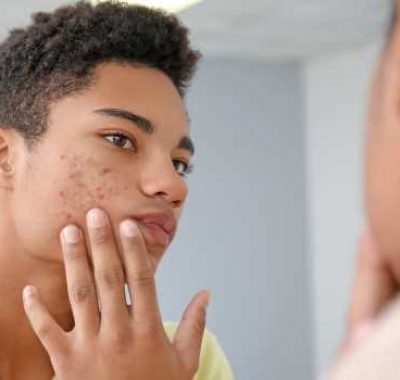
If your teen frequently talks about cosmetic surgery and BDD, engages in compulsive mirror checking, or their obsessions with physical appearance dominate their thoughts and actions, it’s time to seek teen Body Dysmorphic Disorder (BDD) support. Early awareness and intervention can make a meaningful difference in addressing these challenges and guiding your family toward trusted body dysmorphic disorder treatment centers.
What Makes Body Dysmorphic Disorder (BDD) Treatment at BasePoint Academy Unique?
At BasePoint Academy, Body Dysmorphic Disorder (BDD) treatment is build for adolescents who struggle with negative self-image, appearance-related distress, and intrusive thought patterns. Care is grounded in our adolescent mental health expertise and focuses on helping teens feel supported, understood, and safe while addressing the emotional impact of BDD.
What sets BasePoint Academy apart is our individualized, evidence-based approach. Treatment plans may include Cognitive-Behavioral Therapy (CBT), group therapy, and family involvement to help teens challenge distorted beliefs, build coping skills, and improve emotional regulation. Families can also access a confidential assessment to better understand treatment options and next steps.
What Types of Teen Body Dysmorphic Disorder Treatment Programs Are Available Near Dallas, Texas?
Effective therapy for teen body dysmorphic disorder near Dallas, Texas, can be delivered in various programs. For example, day treatment programs at BasePoint Academy provide intensive support while allowing teens to maintain daily routines. Below is an overview of a few of our programs ideal for treating teen body dysmorphic disorder. This isn’t a complete list.
Partial Hospitalization Program (PHP) and Day Treatment
Partial Hospitalization Programs (PHPs), sometimes called day treatment programs, offer structured, intensive body dysmorphia treatment for teens. These programs provide a higher level of support than traditional outpatient care. PHPs assist teens with building coping skills while returning home in the evenings to implement what they’ve learned.
PHPs and day treatment programs at BasePoint Academy often include individual therapy, group sessions, and psychiatric support tailored to each teen’s needs. These comprehensive approaches address emotional and behavioral struggles while promoting long-term healing and resilience.
Outpatient and Evening Treatment Programs
Outpatient and evening treatment programs offer more flexible care for teens needing support with mental health challenges like body dysmorphic disorder. Often provided at a therapy clinic or wellness center, these programs allow teens to attend sessions around their school or family schedules, making treatment more accessible.
These programs combine individual therapy, group counseling, and skill-building exercises to help teens address underlying issues and develop healthier coping mechanisms. Evening programs can be especially beneficial if you’re seeking convenient, effective care tailored to your teens’ needs.
Intensive Outpatient Program (IOP)
Intensive Outpatient Programs (IOPs) provide a focused yet flexible approach to treating conditions like body dysmorphic disorder. At integrative treatment centers like BasePoint Academy, IOPs offer psychotherapy sessions for body dysmorphic disorder several times weekly while allowing teens to continue their daily activities at home or school. An IOP helps teens develop healthier self-perceptions and improve their overall mental well-being.
What Types of Therapy for Teen Body Dysmorphic Disorder Are Available Near Me?

If you’re looking for counseling and therapy programs for teen Body Dysmorphic Disorder (BDD) near you, there are several options to consider. Psychotherapy for body dysmorphic disorder helps teens address the emotional distress caused by BDD and improve their self-esteem. Below are examples of effective programs, though this list is not exhaustive.
Mindfulness-Based Therapy
In mindfulness-based therapy, your teen will learn how to stay present and accept thoughts without judgment, reducing their power. This type of therapy offers practical tools to help your teenager notice intrusive thoughts about their appearance without acting on them.
Instead of getting stuck in compulsive checking or reassurance seeking, teens learn to observe these urges, create space between thought and reaction, and build self-compassion. Over time, this reduces anxiety and strengthens a healthier relationship with their body image.
Acceptance and Commitment Therapy (ACT)
Acceptance and Commitment Therapy (ACT) is an effective approach for addressing teen body dysmorphic disorder symptoms. ACT encourages teens to align their actions with values, even under challenging emotions. This helps your child build resilience, improve their emotional regulation, and develop a healthier mindset by focusing on living with intention and self-compassion.
Dialectical Behavior Therapy (DBT)
Dialectical Behavior Therapy (DBT) helps adolescents manage intense emotions and develop healthier coping mechanisms, focusing on balancing acceptance with change. It teaches skills for emotional regulation, mindfulness, and interpersonal effectiveness, which are crucial when struggling with self-esteem issues and body image.
Psychodynamic Therapy
Psychodynamic therapy is a valuable tool for addressing BDD in teens. This type of therapy explores the deeper, unconscious factors influencing thoughts and behaviors around body image. Understanding past experiences and how they shape present feelings helps teens build a stronger sense of self-worth and healthier perceptions of their bodies.
Trauma-Informed Therapy
Trauma-informed therapy helps your teen understand how past traumatic experiences may be influencing their thoughts, feelings, and behaviors, especially when it comes to this body image disorder. A therapist provides a safe, supportive environment where your teen can explore and heal from trauma at their own pace.
By recognizing the effects of trauma, this psychotherapy for body dysmorphic disorder helps your teen develop healthier coping strategies, regain a sense of control, and work through emotional pain.
Group Therapy
Group therapy is incredibly beneficial for addressing teen body dysmorphic disorder symptoms. In group therapy, your teen will connect with others facing similar challenges, offering a sense of shared experience and support. This setting encourages open communication, emotional validation, and the development of coping skills.
Family Therapy
Family therapy focuses on strengthening your teenager’s support system at home, helping everyone understand BDD, and improving communication. It’s a way to create a united approach to your teen’s treatment, fostering healing and a deeper understanding within the family unit.
Art and Music Therapy
Art and music therapy provide creative outlets for your teen to express emotions that may be difficult to put into words, especially when they’re struggling with body dysmorphic disorder. These therapies are a safe space to explore feelings through art or music, helping teens process their experiences and reduce emotional distress.
Engaging in these forms of expression can also boost self-esteem, encourage self-discovery, and provide a sense of accomplishment, all of which are important in the healing process.
Cognitive-Behavioral Therapy (CBT)
Cognitive-Behavioral Therapy (CBT) is effective in teen body dysmorphic disorder treatment. Through consistent sessions, teens learn to identify distorted, appearance-related thoughts and understand how these patterns fuel anxiety and compulsive behaviors like mirror checking. CBT then teaches them to challenge these thoughts and replace them with more realistic, balanced perspectives, building lasting confidence and reducing daily distress over time.
Exposure and Response Prevention (ERP)
Exposure and Response Prevention (ERP) therapy gradually exposes your teen to situations that exacerbate body-related anxieties, allowing them to build tolerance step by step. Rather than giving in to compulsive behaviors like mirror checking or excessive grooming, teens practice sitting with discomfort. Over time, this weakens the grip of these compulsions and strengthens your child’s sense of control.
BasePoint Academy Accepts health Insurance
We accept most major health insurance providers in Texas and can check your treatment coverage levels on your behalf.
BasePoint Academy’s Body Dysmorphic Disorder Treatment Centers Near Dallas, Texas
BasePoint Academy has multiple recovery centers in the Dallas, Texas, area specializing in addressing symptoms of teen body dysmorphic disorder. Our rehabilitation centers provide exceptional treatment programs tailored to the needs of adolescents. We pride ourselves on improving the mental health and well-being of Texas youth. Call us at (972) 357-1749 for a confidential body dysmorphic disorder assessment.
- Arlington, Texas: 3900 Arlington Highlands Blvd Suite 237, Arlington, TX 76018
- Forney, Texas: 713 W Broad St Suite 200, Forney, TX 75126
- Frisco, Texas: 8275 Judges Way #100i, Frisco, TX 75036
- McKinney, Texas: 4733 Medical Center Dr, McKinney, TX 75069
- North Richland Hills: 8479 Davis Blvd Suite 100, North Richland Hills, TX 76182
Teen BDD Treatment Program in Arlington, Texas
Arlington, Texas, midway between Dallas and Fort Worth, offers a dynamic blend of commerce, education, and entertainment. With notable landmarks such as the University of Texas at Arlington, the Dallas Cowboys, and Six Flags, the city provides a wealth of activities. Teens struggling with body dysmorphic disorder can also access targeted treatment programs in this thriving metropolitan area.
- BasePoint Academy – Arlington, Texas: 3900 Arlington Highlands Blvd Suite 237, Arlington, TX 76018
Teen BDD Treatment Program in Forney, Texas
About 20 miles east of Dallas in Kaufman County, Forney, Texas, combines the charm of a small town with modern amenities. As part of the Dallas-Fort Worth Metroplex, it offers a supportive community for families focused on mental health. Families like yours can find specialized treatment programs to enhance your teen’s emotional well-being while building stronger social ties.
- BasePoint Academy – Forney, Texas: 713 W Broad St Suite 200, Forney, TX 75126
Teen BDD Treatment Program in McKinney, Texas
About 30 miles north of Dallas in Collin County, McKinney is a thriving city known for its strong sense of community and inviting atmosphere. As a vital part of the Dallas-Fort Worth Metroplex, McKinney offers families access to top-tier mental health resources. Teens struggling with body dysmorphic disorder can receive personalized care promoting emotional stability and improved social skills.
- BasePoint Academy – McKinney, Texas: 4733 Medical Center Dr, McKinney, TX 75069
Teen BDD Treatment Program in Frisco, Texas
Located in the heart of Collin County, Frisco is one of the fastest-growing cities in the Dallas–Fort Worth Metroplex, known for its family-friendly environment and focus on wellness. Teenagers seeking body dysmorphic disorder treatment centers in this area can find trusted support and evidence-based care through BasePoint Academy.
- BasePoint Academy – Frisco, Texas: 8275 Judges Way #100i, Frisco, Texas, 75036
Teen BDD Treatment Program in North Richland Hills, Texas
North Richland Hills, Texas, is 25 to 30 miles northwest of downtown Dallas. North Richland Hills offers plenty for visitors and residents, from the slides and wave pools at NRH2O Water Park to hockey games and ice skating at NYTEX Sports Centre. It’s a perfect setting for accessing quality BDD treatment for teens.
- BasePoint Academy – North Richland Hills, Texas: 8479 Davis Blvd suite 100, North Richland Hills, TX 76182
What Is the BasePoint Difference?

7am to 7pm CST
7 Days a Week

Full Time Physican
On Site

We Transport
To and From

Therapy Involving
the Whole Family

Family
Owned

Contact BasePoint Academy Today
Contact us today to schedule a confidential assessment for your teen with a licensed clinician.
You can also get in touch to talk with our mental health experts about treatment needs, care options and your insurance coverage levels.
Call: (972) 357-1749Check Your InsuranceDoes Health Insurance Cover Teen Body Dysmorphic Disorder Treatment Programs Near Dallas, Texas?
Yes, many health insurance plans cover teen body dysmorphic disorder treatment near Dallas, Texas. It’s important to check your insurance benefits to find out if your plan provides coverage for therapy sessions, medication management, and other treatment services that address the needs of adolescents struggling with body dysmorphic disorder.
Contact BasePoint Academy to confirm your insurance benefits and get details on any out-of-pocket costs you may incur. We’re dedicated to making it easier for you to access the necessary care for your teen.
How Much Does BDD Treatment for Adolescents Cost With and Without Health Insurance Coverage?
The cost of Body Dysmorphic Disorder (BDD) treatment for adolescents varies depending on factors like your teen’s treatment needs and whether you have health insurance. Before insurance in Texas, PHPs average $350 to $900 per day, while IOPs average $200 to $550 a day. Teen mental health treatment costs may increase if your teen requires medications or other specialized services.
If you are insured, your out-of-pocket expenses may include copays, coinsurance, or your deductible. It’s essential to use an in-network provider to maximize your benefits. If you’re uninsured or under-insured, you may be able to access sliding-scale fees, payment plans, or financial aid to make your teeanger’s treatment more affordable.
To better understand the cost, contact BasePoint Academy at (972) 357-1749 to verify your coverage details. We work closely with many insurers and can provide the necessary information so you can access care for your child with clarity and confidence.
Contact BasePoint Academy Today
Contact us today to schedule a confidential assessment for your teen with a licensed clinician.
You can also get in touch to talk with our mental health experts about treatment needs, care options and your insurance coverage levels.
Call: (972) 357-1749Check Your InsuranceWhat Is the Admissions Process for BDD Treatment at BasePoint Academy?
The admissions process for teen body dysmorphic disorder treatment at BasePoint Academy near Dallas, Texas, guides you and your teen through each step, ensuring personalized, compassionate care. Here’s a general overview of what you can expect during our admissions process:
- Initial Contact: Start by reaching out to BasePoint Academy. Our admissions team will answer your questions and collect basic information about your teen’s BDD challenges.
- Intake Assessment: Your teen will undergo a thorough intake assessment by licensed professionals. This helps identify their needs and any underlying factors or co-occurring disorders contributing to BDD.
- Evaluation and Diagnosis: A formal diagnosis is made following the assessment and more extensive evaluation.
- Personalized Treatment Plan Development: We collaborate with you and your teen to create a treatment plan tailored to their needs, with clear goals and structured therapy approaches.
- Insurance Verification and Financial Counseling: We confirm insurance coverage details and offer financial counseling to clarify out-of-pocket expenses, ensuring transparency.
- Admission Approval: Once all steps are completed, we confirm your teen’s acceptance into the program and schedule their start date.
- Family Orientation: You and your teen will participate in an orientation to understand your role in the treatment process and how to support their progress.
- Admittance to the Program: Your teen will officially begin treatment, including therapy sessions, skill-building workshops, and group activities.
- Ongoing Monitoring and Adjustments: Throughout the program, our specialists monitor your teen’s progress and adjust the treatment plan to meet their evolving needs.
What Happens at a Teen Body Dysmorphic Disorder Treatment Center?
At a teen body dysmorphic disorder mental health treatment center like BasePoint Academy, your child will receive specialized, holistic care that addresses the emotional and behavioral aspects of this body image disorder. Treatment typically involves a combination of individual therapy, group counseling, and family sessions, all aimed at helping your teen challenge distorted body perceptions and develop healthier coping skills.
Therapy modalities like Cognitive-Behavioral Therapy (CBT) are often used to help them identify and change negative thought patterns while gradually reducing harmful behaviors such as compulsive mirror checking or excessive grooming. In addition to therapy, your teen may participate in skills-building activities that promote emotional regulation and improve self-esteem.
Treatment centers also focus on creating a supportive environment where your teen can connect with peers facing similar struggles, which reduces isolation. Throughout the process, the team works closely with your family to ensure everyone is involved in supporting your teen’s healing and growth.

Contact BasePoint Academy Today
Is your teen showing signs of body dysmorphic disorder? If you’re concerned about your teenager’s mental health, contact BasePoint Academy for an assessment and treatment recommendations.
Statistics and Information on Teen Body Dysmorphic Disorder for Texas Families
- Body Dysmorphic Disorder (BDD) affected about 1.9% of adolescents in a study in the Journal of the American Academy of Child & Adolescent Psychiatry.
- According to U.S. News and World Report, body dysmorphic disorder affects about 1.8% of girls compared to only 0.3% of boys.
- Medications, particularly Selective Serotonin Reuptake Inhibitors (SSRIs), have been found to reduce teen body dysmorphic disorder symptoms, according to Body Image. These medications are most effective when used alongside cognitive-behavioral therapy.
- According to the Body Dysmorphic Disorder Foundation, BDD is more common in adolescents and young people than in the general population. Many people with this condition go 15 years before seeking care.
- A study found that 18% of students who had BDD dropped out of school because their symptoms were so severe, according to Mental Health America.