

Navigating Pathological Demand Avoidance with BasePoint Academy
Pathological Demand Avoidance (PDA) presents unique challenges for adolescents and their families. Fortunately, BasePoint Academy has developed specialized strategies to help those with this neurodivergent behavioral profile thrive in everyday life. In this article, we’ll explore the key aspects of PDA and how our approach empowers Texas youth to overcome obstacles and reach their full potential.
Why Families Choose BasePoint Academy for Neurodivergent Support
At BasePoint Academy, we believe in the inherent value of all adolescents, regardless of their unique neurological profiles. Our network of mental health treatment centers includes locations in Arlington, Forney, Frisco, North Richland Hills, and McKinney, and we provide personalized, neurodiversity-affirming care. Call us to learn how we guide Texas families in managing Pathological Demand Avoidance (PDA) and other complex challenges.
BasePoint Accepts Insurance for Pathological Demand Avoidance Treatment
Our online mental health assessment with a licensed clinician will recommend the appropriate treatment plan for your teen struggling with mental health issues. We can also estimate the cost of online therapy after reviewing your coverage levels.
Call us today at (972) 357-1749 to schedule a complimentary same-day assessment or complete our inquiry form.









Pathological Demand Avoidance Treatment Cost Inquiries
Contact BasePoint Academy Today
Contact us today to schedule a confidential assessment for your teen with a licensed clinician.
You can also get in touch to talk with our mental health experts about treatment needs, care options and your insurance coverage levels.
Call: (972) 357-1749Check Your InsuranceA Neurodiversity-Affirming Clinical Lens
BasePoint Academy’s experienced clinical team understands that adolescents with PDA often struggle with high levels of anxiety related to perceived demands or expectations. Rather than a traditional, compliance-driven approach, we embrace a neurodiversity-affirming model that prioritizes building trust, fostering autonomy, and collaborating with each young person to develop tailored coping skills.
This distinguished approach creates a safe, transformative environment where youth can begin their path towards healing and growth. By honoring each individual’s unique neurological profile and personal experiences, our clinicians empower young people to navigate challenges, build resilience, and unlock their full potential. Through evidence-based therapies, sensory-friendly accommodations, and a deep commitment to collaborative care, BasePoint Academy supports adolescents in reclaiming their sense of self and achieving meaningful, sustainable progress.
Support Across Texas: From Frisco to Arlington
Families throughout the region have come to rely on BasePoint Academy’s expertise in supporting neurodivergent youth. With multiple mental health treatment facilities and online treatment options, we’re committed to improving the lives of adolescents in Texas. We encourage you to reach out and learn more about our clinical approach and the customized accommodations we offer.
Recognizing the PDA Profile: Beyond Simple Non-Compliance
Understanding Pathological Demand Avoidance (PDA) requires looking beyond surface-level behaviors to the adolescent’s internal experience. Unlike simple defiance or “bad behavior,” PDA is driven by an intense, anxiety-fueled need for control to feel safe. At BasePoint Academy, we help families map these unique traits, recognizing that what looks like stubbornness is often a panicked response to perceived loss of autonomy.
Call (972) 357-1749 to schedule your adolescent’s confidential and comprehensive PDA assessment today. This valuable service allows our clinicians to recommend the most suitable level of care for your child’s neurodivergent needs. In the meantime, the following is an in-depth exploration of behavior versus anxiety and the collaborative, proactive solutions we employ at BasePoint.
The Role of Social Mimicry and Roleplay
Adolescents with PDA often utilize sophisticated social mimicry as a protective mechanism. By observing peers or adults and adopting their mannerisms, they mask their struggles to fit in. Some may also engage in roleplay, adopting an authoritative persona to manage social interactions without experiencing the vulnerability of their authentic self.
At BasePoint Academy, we recognize that this “masking” consumes a tremendous amount of mental energy, often leading to burnout or exhaustion once the adolescent returns home. Instead of viewing this roleplay as deceptive or manipulative, our clinicians understand it as a sophisticated strategy used to equalize perceived social hierarchies and ensure safety. We work gently to create a judgment-free space where the need for these protective personas diminishes. By validating their need for control, we help Texas adolescents gradually feel secure enough to lower their masks and engage authentically, reducing the internal pressure to perform constant social calculations.
Demand Avoidance vs. Task Refusal
It is vital to differentiate between traditional defiance and the involuntary panic response characteristic of pathological demand avoidance. While task refusal is often a choice, demand avoidance is an automatic survival mechanism driven by extreme anxiety. For these youth, a simple request feels like a direct threat to their autonomy and safety.
This anxiety can be triggered by direct demands (“put on your shoes”) or indirect demands (the bodily sensation of needing to use the restroom). At BasePoint, we shift away from compliance-based models that punish non-compliance, as these only escalate the fight-flight-freeze response. Instead, we utilize a collaborative, low-demand approach. By offering choices, using declarative language, and negotiating expectations, we help lower the adolescent’s threat-detection system. This empowers them to initiate tasks on their own timeline, transforming a battle of wills into a partnership rooted in mutual respect.
Sensory Overload and PDA Meltdowns
Sensory processing differences frequently co-occur with this neurodivergent profile and significantly drive behavioral escalation. When an adolescent’s nervous system is overwhelmed by noise, light, or texture, their “battery” for processing demands drains rapidly. In this state, even minor requests can trigger an immediate, explosive emotional meltdown or shutdown.
These meltdowns are not temper tantrums intended to manipulate outcomes; they are biological responses to a system in distress. Our treatment team proactively maps each patient’s sensory profile to identify triggers before they lead to a crisis. We incorporate sensory breaks, adjustable lighting, and fidget tools into our therapeutic environment to maintain regulation. By prioritizing sensory safety, we increase the adolescent’s window of tolerance. This allows them to remain regulated and receptive to therapeutic interventions rather than constantly fighting against an overwhelming environment.
Strategies for Supporting Individuals with PDA
Supporting an adolescent with PDA requires a significant paradigm shift from traditional authority to a collaborative model centered on trust. A cornerstone of this approach is “low-demand parenting,” which prioritizes connection over compliance to reduce the adolescent’s baseline anxiety. This often involves using declarative language, statements of fact rather than direct commands, to share information without triggering an automatic threat response.
By carefully choosing which battles to fight and reducing the volume of daily pressures, families can create a home environment that allows the nervous system to reset. While adapting home dynamics is crucial, professional intervention becomes necessary when families face severe caregiver burnout, school refusal, or significant distress despite best efforts.
BasePoint Academy behavioral health services deliver a vital resource when home strategies alone are insufficient, reinforcing these low-demand principles within a clinical setting. Our team helps Texas families like yours distinguish between behavioral choices and biological responses, providing the intensive support needed to address underlying anxiety and sensory needs. By partnering with our specialists, you can move from constant crisis management to stability and sustainable growth. Contact BasePoint Academy today.

Contact BasePoint Academy Today
Contact us today to schedule a confidential assessment for your teen with a licensed clinician.
You can also get in touch to talk with our mental health experts about treatment needs, care options and your insurance coverage levels.
Call: (972) 357-1749Check Your InsuranceHow BasePoint Academy Supports Individual Autonomy
At the core of PDS symptoms in children is a pervasive drive for personal autonomy, a need that is often overlooked or misunderstood in traditional treatment settings. At BasePoint Academy, we recognize this innate desire for self-determination; It is a strength to be nurtured, not a behavior to be suppressed.
BasePoint Academy’s experienced clinicians work diligently to create an environment that reduces the threat response often triggered by rigid behavioral expectations. Through evidence-based therapies, sensory-friendly accommodations, and a collaborative approach, we empower adolescents to participate in their own healing journey actively. By honoring each individual’s unique neurological profile and personal experiences, we help Texas youth develop sustainable coping mechanisms, build resilience, and unlock their full potential. The following provides more insight into our PDA support strategies:
Facilitating Professional Verification
Many families come to BasePoint Academy seeking professional verification of a PDA profile. Our team is committed to supporting this process, working closely with parents and youth to ensure a comprehensive assessment that leads to a deeper understanding of their needs. This validation can open the door to more effective, tailored interventions.
Reducing the Anxiety Response
By fostering a culture of trust and personal agency, BasePoint Academy helps adolescents manage the high levels of anxiety that are often triggered by perceived demands or expectations. Our clinicians collaborate with each young person to identify individualized strategies for regulating emotions, setting boundaries, and reclaiming a sense of control.
Collaborative Support for Lasting Success
Throughout the treatment journey, BasePoint Academy prioritizes partnership with families, school systems, and other key stakeholders. This multidisciplinary approach ensures that young people receive cohesive, wraparound support, equipping them with the skills and confidence to navigate challenges and achieve meaningful, sustainable progress.
Contact a BasePoint Academy intake specialist today to learn how our individualized approach can reduce household tension and empower your child on the path towards healing and growth.
Navigating Costs and Insurance at BasePoint Academy
We understand that navigating the financial aspects of mental health treatment can be stressful, which is why BasePoint Academy is committed to making the process as transparent and accessible as possible for Texas families. We work with most major insurance providers to minimize out-of-pocket mental health treatment costs, ensuring that high-quality, neurodiversity-affirming support is within reach for the adolescents who need it most.
Our admissions team streamlines the insurance verification process to provide you with clarity before treatment begins. By gathering your policy details, we can quickly determine coverage levels, deductibles, and copays associated with our Partial Hospitalization (PHP) and Intensive Outpatient (IOP) Programs.
No matter which of our locations you seek care at, our administrative staff is dedicated to removing financial barriers to care. We encourage you to call us today for an insurance benefits check so we can help you understand your options and get your child the support they need without delay.
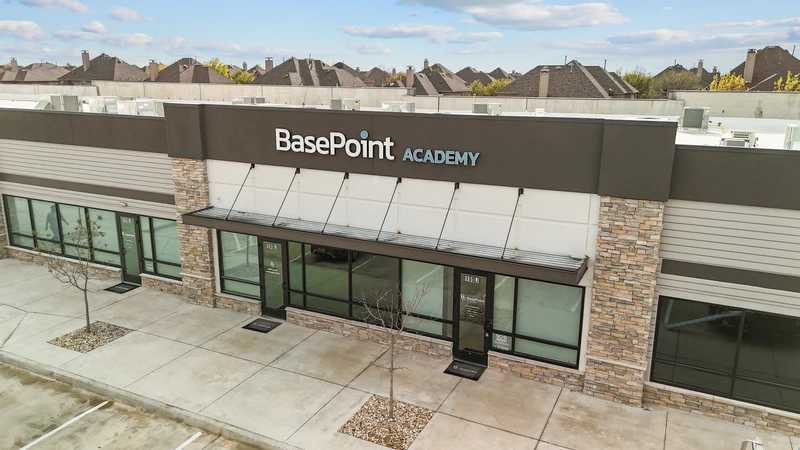
Basepoint Academy Locations
- Arlington, Texas: 3900 Arlington Highlands Blvd, Suite 237, Arlington, TX 76018
- Forney, Texas: 713 W Broad St, Suite 200, Forney, TX 75126
- Frisco, Texas: 8275 Judges Way, Suite 100I, Frisco, TX 75036
- McKinney, Texas: 4733 Medical Center Drive, McKinney, TX 75069
- North Richland Hills, Texas: 8479 Davis Blvd Suite 100, North Richland Hills, TX 76182
Frequently Asked Questions About Pathological Demand Avoidance
Understanding Pathological Demand Avoidance (PDA) often raises many questions for families. To help clarify common misconceptions and provide essential information, we’ve compiled answers to some of the most frequently asked questions BasePoint Academy receives about this complex PDA profile of autism.
Is PDA an Official Diagnosis in the DSM-5?
No, PDA is not currently an official standalone diagnosis in the DSM-5 (Diagnostic and Statistical Manual of Mental Disorders). It is widely recognized as a profile within the autism spectrum, particularly in the United Kingdom (UK). Many clinicians, including those at BasePoint Academy, recognize its distinct presentation and utilize this framework to guide tailored interventions.
How Is PDA Different from Oppositional Defiant Disorder (ODD)?
While both involve resistance, the underlying motivation differs significantly. Oppositional Defiant Disorder (ODD) is characterized by a pattern of angry, irritable mood and argumentative behavior, often for control or defiance. Pathological Demand Avoidance (PDA), however, is driven by intense, anxiety-fueled needs to avoid demands to maintain autonomy; it often results from a “can’t do” rather than a “won’t do” response.
What Are Common Triggers for a PDA Shutdown or Meltdown?
Common triggers for a PDA shutdown or meltdown include direct or indirect demands, unexpected changes, perceived loss of control, transitions, feeling misunderstood, and sensory overload. These triggers can rapidly escalate anxiety, leading to a fight, flight, or freeze response that appears as extreme avoidance or an emotional outburst.
How Does Basepoint Academy Approach Demand Avoidance in a Clinical Setting?
BasePoint Academy employs a neurodiversity-affirming, low-demand approach. We prioritize building trust, fostering autonomy through choices, and using declarative language to reduce an adolescent’s threat response. Our individualized treatment plans incorporate sensory accommodations and collaborative strategies to create an environment conducive to enabling youth to manage anxiety and develop coping skills.
How Do I Talk to My Child’s School About Their PDA Profile?
When speaking with your child’s school, emphasize that PDA is an anxiety-driven profile, not willful defiance. Explain the need for flexibility, collaboration, and a low-demand approach to avoid escalating anxiety. Suggest accommodations such as offering choices, reducing direct instructions, and understanding that “can’t” often means “can’t right now.” This distinction can often reduce overwhelm.
Learn More About Mental Health Treatment Costs Related to Pathological Demand Avoidance at BasePoint Academy
Our team is here to support both your teen and your family with compassionate mental health care, including therapy, counseling, and psychiatric services in a welcoming and supportive environment. Call today to learn more about treatment options and better understand the costs involved in your teen’s path toward lasting wellness.
National Pathological Demand Avoidance Statistics and Insights
While Pathological Demand Avoidance (PDA) is still gaining wider recognition, a growing body of research sheds light on its prevalence and profound impact. Understanding these statistics and insights helps validate the experiences of adolescents with PDA and informs more effective, targeted support strategies.
In the meantime, visit BasePoint Academy at any of our locations. Contact us today to discuss how we can support your family’s journey toward understanding and growth.
- It is estimated that up to 20% of autistic children exhibit extreme demand avoidance behaviors, sometimes referred to as ‘pathological’ or ‘persistent and marked’ demand avoidance.
- Children with Pathological Demand Avoidance (PDA) may employ socially strategic behaviors to avoid demands.
- The concept of Pathological Demand Avoidance (PDA) emerged in the 1970s when clinician Elizabeth Newson observed that certain children, referred to her clinic for autism assessment, presented with unique characteristics that set them apart from other autistic children yet were similar to one another.
- According to a qualitative study published in the International Journal of Inclusive Education, all participant groups reported overwhelmingly negative school experiences, with autistic children displaying extreme and baseline Pathological Demand Avoidance (PDA) being most impacted. Parents consistently linked these issues to a lack of understanding about their children’s diagnoses and inadequate specialized support.
- A study published in Research in Autism suggests that significant sensory reactivity can profoundly influence the capacity to engage with or avoid specific demands and situations in a child with pathological demand avoidance.