

Navigating the Complex World of Adolescent Egocentrism: A Guide for Families
Adolescence is a period of profound change, marked by rapid physical development, evolving social landscapes, and significant cognitive shifts. Among these changes, adolescent egocentrism often emerges as a dominant force, shaping how teenagers perceive themselves and interact with the world around them. Understanding this unique developmental stage is key to fostering connection, effective communication, and a supportive environment at home.
If these years are proving challenging to manage, BasePoint Academy offers teen behavioral health support in Texas. With multiple in-person treatment centers in the Dallas-Fort Worth region and virtual support statewide, we are well-equipped to address all stages of adolescence. Continue reading our guide to navigating adolescent egocentrism, or call us for immediate support.
How BasePoint Academy Supports Texas Families
At BasePoint Academy, we intimately understand the unique challenges associated with psychological development in adolescents and the often-overwhelming feelings of being constantly “watched” or “misunderstood” that accompany it. We provide a vital safe space for teens across Texas, with convenient treatment centers in Arlington, Forney, Frisco, and McKinney.
Many studies support the notion that when adolescents have a clear, steady sense of who they are, they generally do better across many aspects of their lives. At BasePoint, your teen can openly explore their identity and navigate the complexities of growing up. Our expert team helps families distinguish between typical teen behavior and patterns that may signal the need for professional intervention, ensuring crucial developmental shifts are recognized and supported.
Our specialized programs are thoughtfully designed to support Texas youth in building resilience, developing healthy coping mechanisms, and overcoming emotional and behavioral challenges. We empower you with the knowledge and tools to connect effectively with your adolescent, fostering stronger family bonds and a deeper understanding of your teen’s mental health journey.
To remove barriers to accessing the help your family needs, we offer convenient phone-based insurance verification. If you’re concerned about your teen’s current behavior and whether it warrants a professional evaluation, we encourage you to call BasePoint Academy today.
BasePoint Accepts Teen Online Mental Health Treatment Coverage
Our online mental health assessment with a licensed clinician will recommend the appropriate treatment plan for your teen struggling with mental health issues. We can also estimate the cost of online therapy after reviewing your coverage levels.
Call us today at (972) 357-1749 to schedule a complimentary same-day assessment or complete our inquiry form.









Teen Online Mental Health Therapy Cost Inquiries
Contact BasePoint Academy Today
Contact us today to schedule a confidential assessment for your teen with a licensed clinician.
You can also get in touch to talk with our mental health experts about treatment needs, care options and your insurance coverage levels.
Call: (972) 357-1749Check Your InsuranceWhy BasePoint Academy Focuses on the Whole Adolescent
BasePoint Academy’s clinical philosophy extends beyond simply addressing surface-level behaviors. We are profoundly committed to understanding cognitive development in teens, recognizing that the adolescent brain undergoes significant changes that shape perception, decision-making, and emotional regulation. While adolescent egocentrism is a normal, expected part of this developmental journey, we understand that it can sometimes mask deeper, underlying mental health concerns.
Our approach looks beyond immediate actions to understand the root causes and internal struggles that affect teenage well-being. Our specialists are extensively trained to identify when typical teenage challenges might be signaling something more serious. We create individualized treatment plans that support the entire adolescent, addressing their emotional, social, and academic needs, rather than just “fixing” isolated issues.
By fostering a safe, therapeutic environment, we guide Texas youth in navigating these complex developmental stages, providing them with the tools and insights necessary for healthy growth and long-term success. We invite you to ask our intake team about the specialized, holistic approach to adolescent support at BasePoint Academy. Contact us today.
Recognizing the "Imaginary Audience" and "Personal Fable"
Adolescence often brings a unique way of perceiving the world, deeply influenced by two powerful cognitive distortions: the imaginary audience and the personal fable. Understanding these phenomena, first described by psychologist David Elkind, can help you decode your teenager’s sometimes perplexing behaviors and intense emotional reactions.
The “imaginary audience” refers to the teenager’s overwhelming conviction that they are constantly being watched, judged, and scrutinized by others, even strangers. Think of it as a spotlight always shining on them, making even a small blemish on their face or a slightly off outfit feel like a monumental public spectacle. This intense self-consciousness can lead to shyness, social anxiety, or an exaggerated concern with appearance and acceptance, as they believe everyone is paying as much attention to them as they are to themselves.
Complementing this is the “personal fable,” the belief that one’s experiences and feelings are utterly unique and unprecedented, that “no one has ever felt this way before.” This can lead to a sense of invulnerability in teenagers, where consequences don’t seem to apply to them, or to profound isolation when they feel misunderstood. Both the imaginary audience and the personal fable are normal parts of adolescent cognitive development, yet they underscore why your child may often feel misunderstood and sensitive to social cues.
Distinguishing Growth from Mental Health Concerns
While the personal fable typically involves healthy identity exploration and intense feelings, it becomes concerning when it motivates teens to take risks. For example, a teen might believe their heartbreak is uniquely devastating, but when this sense of being “special” leads to substance abuse, reckless driving, self-harm, or related behaviors, it may signal underlying mental health issues requiring professional attention.
Similarly, the imaginary audience usually causes manageable self-consciousness, such as extra attention to one’s appearance or minor social embarrassment. However, if your teen becomes so overwhelmed by fear of judgment that they refuse school, avoid all social situations, or develop severe anxiety preventing normal functioning, this goes beyond typical egocentrism. It may indicate anxiety disorders, depression, or other conditions warranting professional evaluation.
If you’re concerned about your teen or want to discern between typical vs. atypical teen behavior, contact BasePoint Academy for a free, confidential mental health assessment today.
Strategies for Improving Parent-Teen Communication
Navigating conversations with teenagers experiencing egocentrism requires a delicate balance of validation and gentle reality-checking. Rather than dismissing their intense feelings as “overdramatic,” effective communication acknowledges their genuine experience while helping them develop a more balanced perspective. The following strategies can help bridge the gap between your teen’s internal world and the reality around them.
- Validate first, redirect second: Begin with “That sounds really difficult” before offering perspective, such as “Have you considered that others might not have noticed as much as you think?”
- Use “I wonder” language: Instead of direct corrections, try “I wonder if there might be other ways to look at this situation” to encourage broader thinking.
- Share relatable experiences without minimizing: Briefly mention similar feelings you had at their age, but don’t make it about you or suggest their experience is “just a phase.”
- Ask open-ended questions: Asking “What do you think your friends are really focusing on?” helps them examine their assumptions about the imaginary audience.
- Acknowledge their uniqueness while broadening perspective: “Your feelings are absolutely real and important. Many people your age experience similar intensity.”
- Set boundaries around risk-taking: When personal fable thinking leads to dangerous behaviors, be clear about consequences while respecting their developmental stage.

If you’re feeling completely disconnected from your teenager or these strategies aren’t helping bridge the communication gap, consider reaching out to BasePoint Academy for professional guidance tailored to your family’s specific needs—call (972) 357-1749 today.
Contact BasePoint Academy Today
Contact us today to schedule a confidential assessment for your teen with a licensed clinician.
You can also get in touch to talk with our mental health experts about treatment needs, care options and your insurance coverage levels.
Call: (972) 357-1749Check Your InsuranceInsurance and Information at BasePoint Academy
Taking the first step toward getting help for your teenager can feel overwhelming, but accessing quality mental health care doesn’t have to be complicated. At BasePoint Academy, we believe that financial concerns should never stand between your family and the support your teen needs.
Our dedicated team is here to help you navigate the insurance process, providing clear information about your coverage options and how they apply to our comprehensive, outpatient adolescent treatment programs. You don’t have to figure this out alone; we’re committed to making the path to exceptional support as smooth as possible. When you’re ready to explore how BasePoint Academy can support your teenager’s path to optimal well-being, call us for a comprehensive insurance verification.
Our knowledgeable staff will walk you through your coverage details and explain the enrollment process at any of our convenient DFW-area locations in Arlington, Forney, Frisco, and McKinney. You’ll have the opportunity to ask questions, discuss your teen’s specific needs, and learn about how our specialized approach can make a meaningful difference in your family’s life.
FAQs About Adolescent Egocentrism
David Elkind’s theory of adolescent egocentrism often raises many questions for parents and caregivers of teens. Should you have any further questions beyond those we’ve answered below, feel free to reach out to BasePoint Academy. We’re committed to ensuring clarity and transparency at every stage of our support for Texas youth and their families.
Is adolescent egocentrism the same as narcissism?
No, adolescent egocentrism is not the same as narcissism. Egocentrism is a normal developmental stage where teens have difficulty seeing beyond their own perspective. Narcissism involves a persistent pattern of grandiosity and lack of empathy that continues into adulthood. Most teens naturally grow out of egocentric thinking as their brains mature, whereas narcissistic personality traits are more enduring and problematic.
At what age does this stage typically peak for most teens?
Adolescent egocentrism commonly occurs between ages 11 and 16, peaking around age 12. It coincides with early adolescence when the prefrontal cortex is still developing. The intensity usually decreases by late high school as teens develop better perspective-taking abilities and their cognitive development progresses.
How can I tell if my teen’s “personal fable” is becoming dangerous?
Watch for behaviors that show complete disregard for consequences, such as substance abuse, reckless driving, unprotected sex, or self-harm. If your teen consistently believes “nothing bad will happen to me” and repeatedly engages in dangerous activities despite warnings or past negative outcomes, this goes beyond normal development and requires professional intervention.
Why do teenagers suddenly become so self-conscious?
The sudden increase in self-consciousness stems from rapid brain development, particularly in areas responsible for social cognition and self-awareness. Teens become acutely aware that others can form judgments about them, creating the “imaginary audience” effect, in which they feel constantly observed and evaluated, even when they’re not.
Does this stage of development affect academic performance?
Yes, egocentrism can significantly impact academic performance. The imaginary audience may cause teens to avoid participating in class for fear of judgment, while the personal fable might lead them to believe they don’t need to study because they’re “different” or that rules don’t apply to them. Social anxiety from feeling constantly watched can also interfere with concentration and learning.
How does BasePoint Academy help teens who are struggling with social anxiety?
BasePoint Academy uses evidence-based therapeutic approaches to help teens distinguish between their perceived audience and reality. Our specialists work with adolescents to develop healthy coping mechanisms, build genuine self-confidence, and practice social skills in a supportive environment. We address both the symptoms of social anxiety and the underlying developmental factors contributing to their distress.
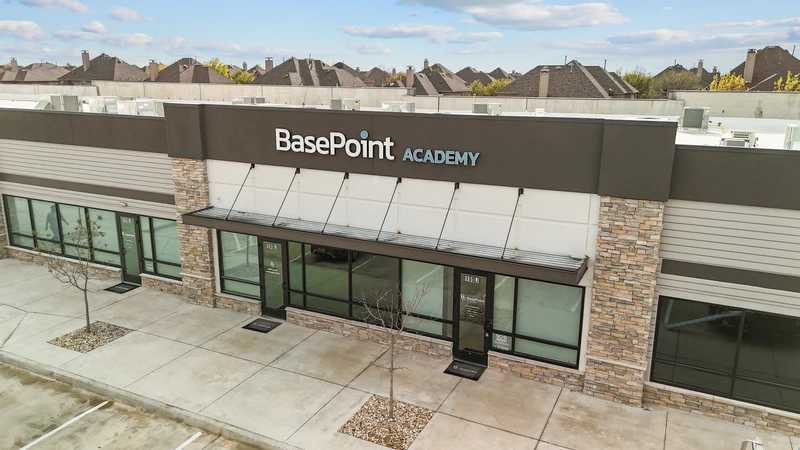
Basepoint Academy Locations
- Arlington, Texas: 3900 Arlington Highlands Blvd, Suite 237, Arlington, TX 76018
- Forney, Texas: 713 W Broad St, Suite 200, Forney, TX 75126
- Frisco, Texas: 8275 Judges Way, Suite 100I, Frisco, TX 75036
- McKinney, Texas: 4733 Medical Center Drive, McKinney, TX 75069
Learn More About Virtual Teen Mental Health Therapy Costs at BasePoint Academy
We can help your teen and your family address and overcome mental health concerns with expert mental health therapy, counseling, and psychiatry in a safe environment. Call today to discover the treatment costs associated with long-term healing.
Statistics and Resources on Adolescent Egocentrism
- Research published in the Journal of Adolescence found that personal fable and imaginary audience behaviors can extend beyond the teenage years.
- Research in Current Psychology revealed that people of all ages, not just teenagers, tend to overestimate how much others can see their internal thoughts and emotions. The findings indicate that adolescent self-focus may not be more intense than that experienced by adults.
- Research published in the Sage Encyclopedia of Abnormal and Clinical Psychology suggests that adolescent egocentrism is influenced by several factors, including changes during puberty, the development of new thinking skills, greater independence from parents, and the formation of their own identity.
- Research on adolescent egocentrism and the illusion of transparency revealed gender differences in how teens perceive themselves. The illusion of transparency refers to people’s tendency to overestimate how much their internal states are visible to others. In this study, female participants believed they appeared more nervous than observers perceived, while male participants thought they seemed more entertaining than audiences found them. These findings, analyzed through simulation theory, suggest that teenagers may not be as self-centered as traditionally believed but rather struggle to accurately gauge how others perceive them.
- Research published in the International Journal of Adolescence and Youth found that egocentrism among adolescents plays an important role in understanding why they take risks online. The study found that a stronger sense of an “imaginary audience”, higher FoMO (Fear of Missing Out), and older age were the biggest predictors of online risk-taking in teens. Additionally, male teens engaged in more risky online behaviors compared to females. The research also showed a link between FoMO and different forms of adolescent egocentrism.