

Navigating the Complex World of Teen Cliques and Social Belonging
Do you recall the sting of walking into a crowded cafeteria only to realize you had nowhere to sit? Or the exhausting effort of trying to fit into a group that never felt right? The teenage years are challenging enough without the impact of teen cliques that can leave youth feeling isolated, anxious, and questioning their self-worth.
For many teens, these social struggles extend far beyond school hallways, creating lasting effects on mental health and self-esteem that follow them into their daily lives. At BasePoint Academy, we understand that adolescents deserve more than just surviving these formative years; they deserve to thrive with authentic connections and unshakeable confidence. Our Texas-based teen programs provide a safe harbor where your child can step away from the pressure cooker of high school social dynamics and discover their true selves in a supportive, judgment-free environment. With multiple convenient locations and online treatment options, we’re here to help Texas families like yours access the specialized support that builds healthy adolescent friendships, develops emotional resilience, and empowers young people to invest in shared values rather than social status.
How BasePoint Academy Supports Teens Facing Social Challenges
At BasePoint Academy, we recognize that social dynamics are often at the heart of the emotional distress that brings families to our doors. Our approach emphasizes creating an environment where teens are celebrated for their unique qualities and authentic selves, rather than where they fall within traditional social hierarchies.
With convenient locations in Arlington, Forney, Frisco, and McKinney, we provide accessible support that allows families throughout the Dallas-Fort Worth area and beyond to actively participate in their teen’s healing journey. Not sure if your teen’s social withdrawal is ‘just a phase’ or something deeper?
BasePoint Accepts Teen Online Mental Health Treatment Coverage
Our online mental health assessment with a licensed clinician will recommend the appropriate treatment plan for your teen struggling with mental health issues. We can also estimate the cost of online therapy after reviewing your coverage levels.
Call us today at (972) 357-1749 to schedule a complimentary same-day assessment or complete our inquiry form.






Teen Online Mental Health Therapy Cost Inquiries
Contact BasePoint Academy Today
Contact us today to schedule a confidential assessment for your teen with a licensed clinician.
You can also get in touch to talk with our mental health experts about treatment needs, care options and your insurance coverage levels.
Call: (972) 357-1749Check Your InsuranceRecognizing the Signs of Exclusionary Distress in Your Teen
When teens experience exclusion or the negative effects of cliques on self-esteem, their distress often manifests in ways that extend far beyond the school environment. You might notice your teenager suddenly refusing to attend school or finding elaborate excuses to avoid social situations they once enjoyed, for example. The following are key warning signs to watch:
- Sudden school refusal or frequent absences
- Dramatic mood swings or persistent irritability
- Social withdrawal and isolation from family activities
- Phone suddenly going silent (being “ghosted” by peers)
- Declining academic performance despite previous success
- Physical complaints like headaches or stomachaches with no medical cause
- Dramatic shifts in friend groups or a complete loss of friendships
- Excessive time spent online or in their room
- Comments about everyone being “better off without them”
- Perfectionist tendencies
- Disruption to eating and sleeping habits
At BasePoint Academy, our experienced team understands how these behavioral changes connect to underlying social and emotional challenges. We work with teens and families to address not just the symptoms, but the root causes of exclusionary distress through evidence-based therapeutic approaches. If you’re observing concerning changes in your teenager’s behavior or emotional state, we encourage you to contact us to discuss what you’re seeing at home. Together, we can explore how BasePoint Academy teen programs can provide the support your family needs.
Why Local Support at BasePoint Academy Makes a Difference
When your teenager is struggling with emotional distress from exclusion and other social challenges, having support close to home makes a difference. BasePoint Academy understands the unique pressures and social dynamics specific to Texas school districts and communities. This intimate knowledge allows us to provide more targeted support that addresses the particular challenges your teen faces in their daily life.
With several convenient locations, accessing professional adolescent mental health support has never been easier for families throughout the Dallas-Fort Worth metroplex. The proximity of our facilities means reduced travel stress, enabling more consistent participation in treatment and family involvement in the therapeutic process. Local support also means our team can coordinate more effectively with your teen’s school counselors and other community resources when appropriate.
Our Texas-based admissions team is ready to verify your insurance coverage and match your teen with the right resources for their specific needs. For insurance information, facility details, or to learn more about which location would be most convenient for your family, a quick phone call to (972) 357-1749 can provide the clarity you need. Together, we can take the next step in supporting your teenager’s mental health and social well-being.
The Psychological Shift from Belonging to Exclusion
During adolescence, the brain is hardwired to seek connection and a sense of belonging. While healthy friend groups welcome newcomers and celebrate differences, exclusionary cliques weaponize this developmental need through rigid hierarchies and conditional acceptance. They transform natural social drives into sources of anxiety and isolation.
The psychological shift is profound: instead of belonging fostering confidence and identity development, exclusion becomes a source of shame and self-doubt. Teens begin to internalize the message that they’re somehow fundamentally flawed or unworthy of acceptance. This exclusionary dynamic is particularly damaging during adolescence because teenagers are still forming their core sense of self. When peer groups become gatekeepers of social worth, you might notice your teen experiencing:
- Identity Confusion
- Questioning their interests, personality, or values
- Wondering what they need to change to earn acceptance
- Losing sight of their authentic self in pursuit of approval
- Emotional Impact
- Developing shame around their natural qualities
- Believing their worth depends on external validation
- Experiencing anxiety in social situations that they once enjoyed
- Long-term Effects
- Difficulty trusting future relationships
- Challenges with emotional regulation
- Persistent self-esteem issues that extend into adulthood
The teenager who once felt confident in their interests or personality may begin to question everything about themselves. This psychological shift from secure belonging to anxious exclusion creates ripple effects that can impact how they view themselves and relate to others for years to come, making early intervention and support crucial for their healthy development.
Helping Your Teen Rebuild Confidence Beyond the Clique
When your child has experienced social exclusion, rebuilding teen resilience and confidence requires patience, intentional support, and sometimes professional guidance. Start by helping them rediscover their authentic interests and strengths outside the pressures of clique dynamics. Encourage participation in activities that allow them to connect with like-minded peers, as these environments often foster more genuine connections.
- Help them identify their core values and interests, separate from peer approval
- Encourage involvement in diverse social settings (church groups, community theater, martial arts, etc.)
- Model healthy friendship qualities in your own relationships
- Celebrate their unique qualities and remind them of past successes
- Limit social media exposure
- Create opportunities for one-on-one friendships outside school settings
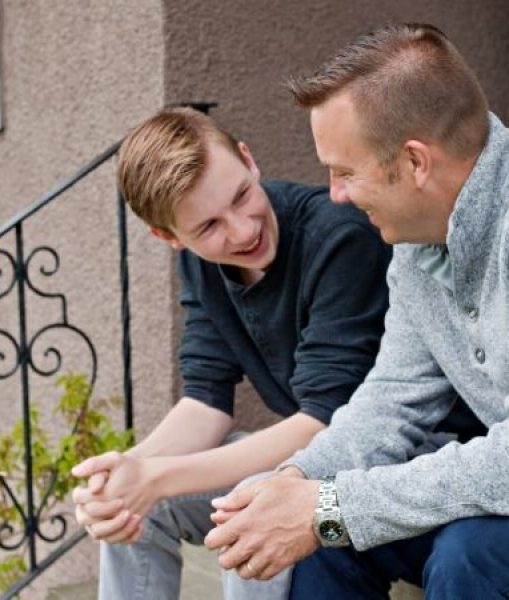
It’s crucial to reinforce that “fitting in” should never come at the cost of their mental health or authentic self-expression. Help your teen understand that true belonging comes from being valued for who they really are, not from conforming to someone else’s standards. However, if your teen continues to struggle with deep-seated social anxiety, depression, or persistent feelings of worthlessness despite your support, professional intervention may be necessary. At BasePoint Academy, our therapeutic programs help adolescents work through social trauma, rebuild self-esteem, and develop healthy relationship skills. Sometimes the most loving thing you can do is recognize when additional support is needed and take action to get it. Contact us today.
Contact BasePoint Academy Today
Contact us today to schedule a confidential assessment for your teen with a licensed clinician.
You can also get in touch to talk with our mental health experts about treatment needs, care options and your insurance coverage levels.
Call: (972) 357-1749Check Your InsuranceFAQs About Teen Cliques and Mental Health
When considering how to address the adverse impact teen cliques have on your child’s mental health, you likely have questions. We’ve briefly outlined some common FAQs we receive at BasePoint Academy, from distinguishing warning signs from typical teenage behavior to insurance coverage for professional support. For additional inquiries, don’t hesitate to reach out today.
When considering how to address the adverse impact teen cliques have on your child’s mental health, you likely have questions. We’ve briefly outlined some common FAQs we receive at BasePoint Academy, from distinguishing warning signs from typical teenage behavior to insurance coverage for professional support. For additional inquiries, don’t hesitate to reach out today.
What is the difference between a healthy friendship group and a harmful clique? Healthy friend groups operate with fluid boundaries, welcoming newcomers and celebrating individual differences. They provide emotional support and a sense of shared identity. In contrast, exclusionary, thus harmful, cliques wield rigid hierarchies and conditional acceptance. They’re adept at creating an “us versus them” mentality that leaves some teens on the outside.
How can I tell if my teen is being bullied or just excluded? This is a fine line since social exclusion can involve bullying. Bullying involves intentional, repeated acts of aggression, while exclusion is the broader experience of being left out. Signs of both can include sudden mood changes, school refusal, and withdrawal from social activities. Cyberbullying through social media is also common in teen clique dynamics.
Can social exclusion lead to long-term mental health issues? Yes, the psychological shift from belonging to exclusion can have lasting impacts. Teens may internalize feelings of shame, self-doubt, and unworthiness. This can lead to difficulties with self-esteem, emotional regulation, and the formation of healthy relationships well into adulthood, if left unaddressed.
What should I do if my teen refuses to go to school because of social pressure? Peer pressure and the fear of social rejection can manifest as school refusal. Validate your teen’s feelings, help them identify healthy coping mechanisms, and consider professional support to address the root cause(s). Consistent communication with their school can also ensure accommodations are made.
How does BasePoint Academy help teens build social skills and self-esteem? Our therapeutic programs use evidence-based approaches to help Texas youth work through social trauma, develop healthy relationship skills, and rebuild their self-worth. We also coordinate closely with schools and community resources to provide an all-encompassing support system.
Is insurance accepted for teen mental health support at your Texas locations? Yes, our Texas-based admissions team is ready to verify your insurance coverage and ensure your teen receives the appropriate level of care at one of our convenient locations in Arlington, Forney, Frisco, or McKinney.
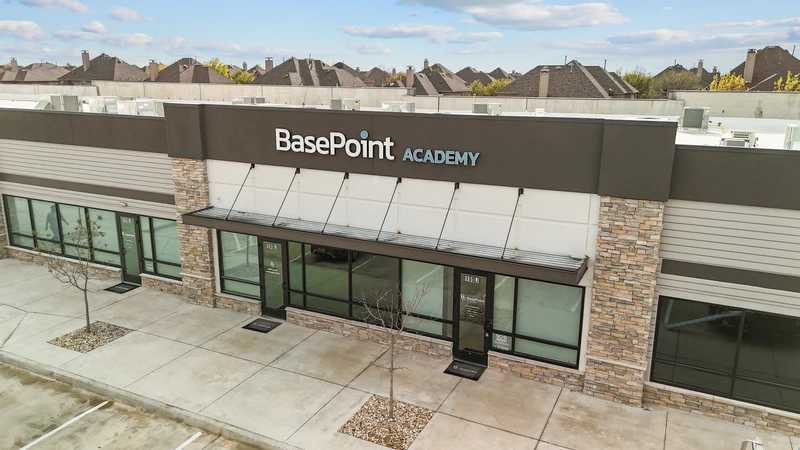
Basepoint Academy Locations
- Arlington, Texas: 3900 Arlington Highlands Blvd, Suite 237, Arlington, TX 76018
- Forney, Texas: 713 W Broad St, Suite 200, Forney, TX 75126
- Frisco, Texas: 8275 Judges Way, Suite 100I, Frisco, TX 75036
- McKinney, Texas: 4733 Medical Center Drive, McKinney, TX 75069
Learn More About Virtual Teen Mental Health Therapy Costs at BasePoint Academy
We can help your teen and your family address and overcome mental health concerns with expert mental health therapy, counseling, and psychiatry in a safe environment. Call today to discover the treatment costs associated with long-term healing.
Statistics on Social Exclusion and Texas Adolescent Behavioral Health
- According to research published in the journal Children, adolescents who are perceived as less physically capable or attractive are more likely to be overtly excluded or subtly ostracized by their social groups. This type of peer victimization, whether blatant or covert, can have a profoundly negative impact on a teenager’s overall development and well-being.
- The Journal of Environmental Psychology highlights a positive correlation between social exclusion and adolescent withdrawal behavior.
- A study in Child Development found that adolescents’ experiences of social exclusion at school, rather than feelings of belonging, were associated with observable changes in brain structure over time. Specifically, students reporting higher levels of social exclusion showed less typical decreases in gray matter volume in the left anterior insula region, indicating a link between perceived exclusion and atypical neurodevelopmental processes.
- A Texas-based Academic Pediatrics study of over 50,000 hospitalized adolescents aged 10-19 found that those from racial minority and rural communities with mental health diagnoses like anxiety, depression, and suicide had fewer opportunities available to them. Interestingly, higher opportunity levels were linked to greater odds of anxiety or suicide diagnoses, while depression was more common among those with lower opportunity levels.
- The North Texas region is facing a critical children’s mental health crisis, with over 2,000 young people seeking help for suicidal thoughts and behaviors just in late 2023 alone. This alarming statistic underscores the urgent need for increased access to mental health resources and support services for vulnerable youth in the area.